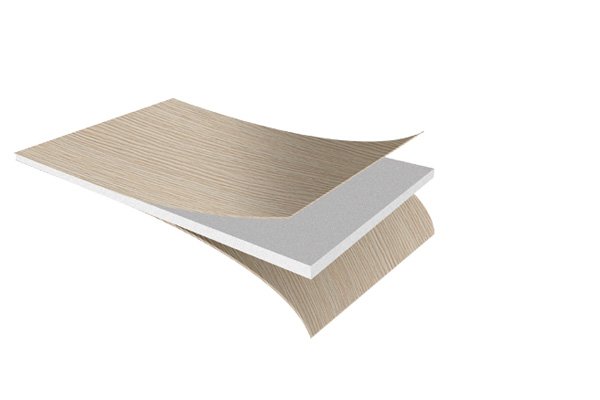
High Pressure Laminate (HPL) has become a popular surface material for commercial buildings, residential interiors, furniture, and architectural applications due to its durability, versatility, and attractive designs. However, the quality of HPL products can vary significantly between suppliers. Choosing the right HPL manufacturer is essential to ensure consistent quality, reliable supply, and long-term project performance.
Whether you are an architect, distributor, contractor, or furniture manufacturer, there are several key factors to consider when selecting an HPL supplier.
1. Manufacturing Experience and Industry Expertise
A reliable HPL manufacturer should have extensive experience in producing high-pressure laminates and a deep understanding of different application requirements.
Experienced manufacturers typically have:
- Advanced production technology
- Professional R&D teams
- Strict quality control systems
- Knowledge of international market requirements
A manufacturer with years of industry experience is more likely to provide stable product quality and effective technical support for different projects.
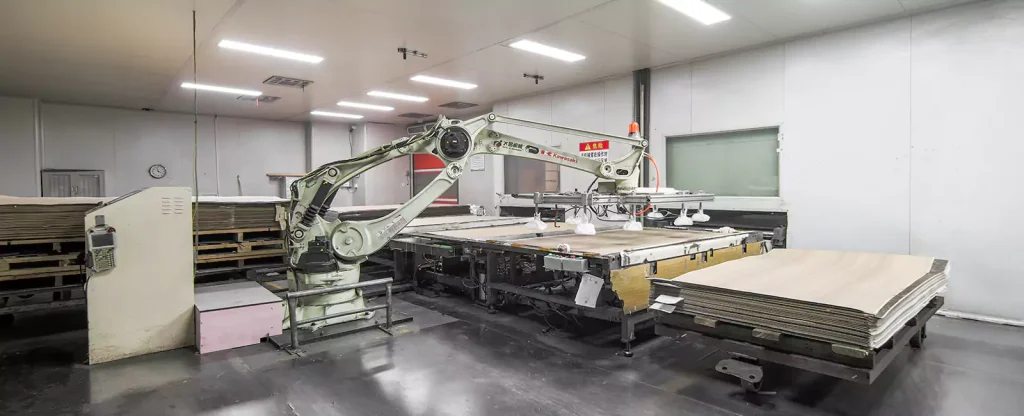
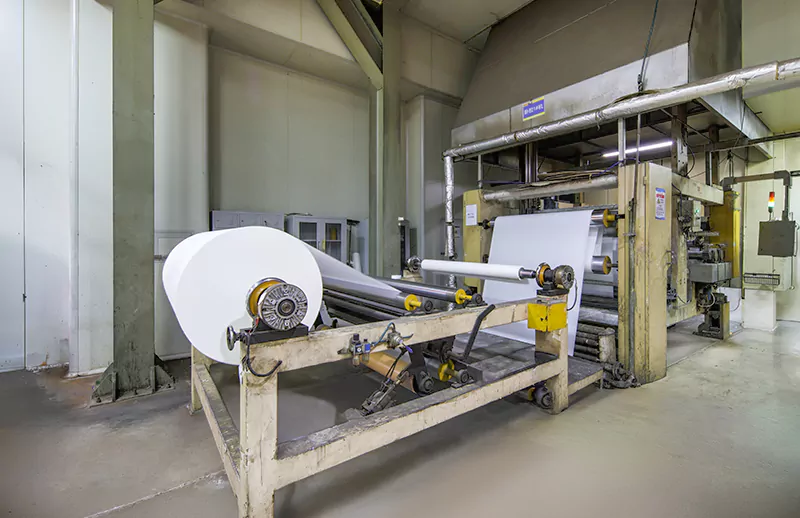
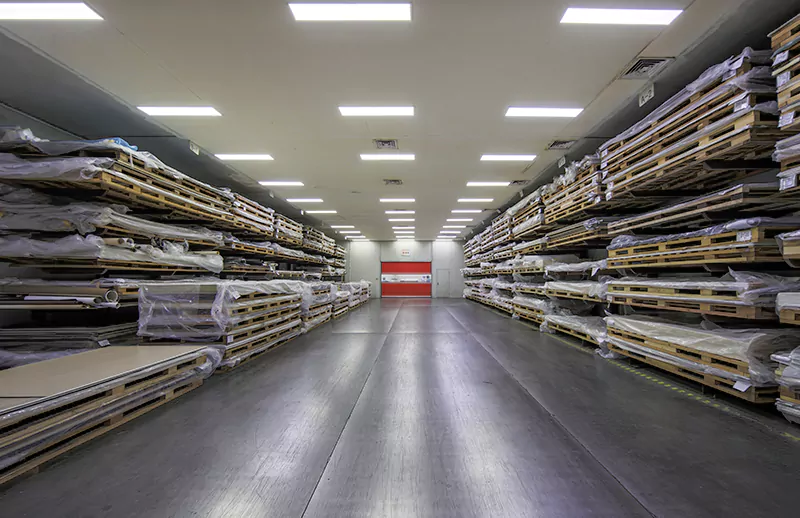
2. Product Quality and Performance
Quality is one of the most important factors when choosing an HPL manufacturer. High-quality HPL should provide excellent performance throughout its service life.
Important performance characteristics include:
- Scratch resistance
- Impact resistance
- Heat resistance
- Moisture resistance
- Wear resistance
- Easy cleaning and maintenance
For exterior applications, such as facade cladding, the HPL should also offer:
- UV resistance
- Weather resistance
- Color stability
- Resistance to temperature changes
Before cooperation, buyers should check product specifications, test reports, and quality certifications.
3. Certifications and Compliance Standards
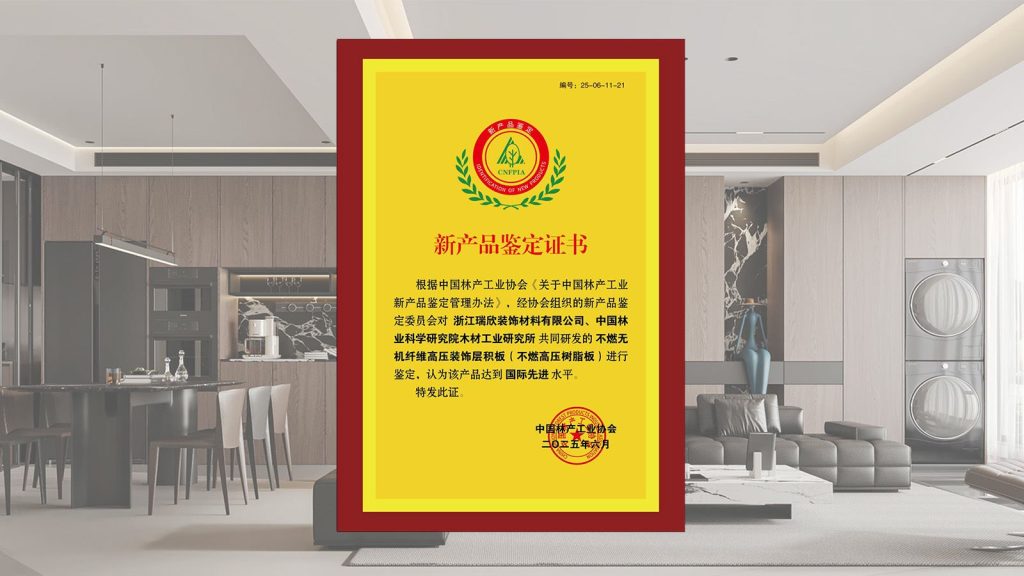
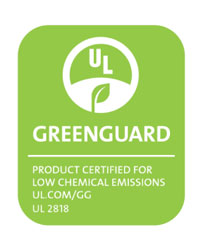
International projects often require materials that meet specific safety and environmental standards. A professional HPL manufacturer should provide relevant certifications to demonstrate product reliability.
Common certifications and standards may include:
- Fire performance certifications
- Environmental certifications
- Formaldehyde emission testing
- Quality management certifications
Certifications not only reflect product quality but also help architects and contractors meet project requirements in different countries and regions.





4. Design Options and Customization Capability
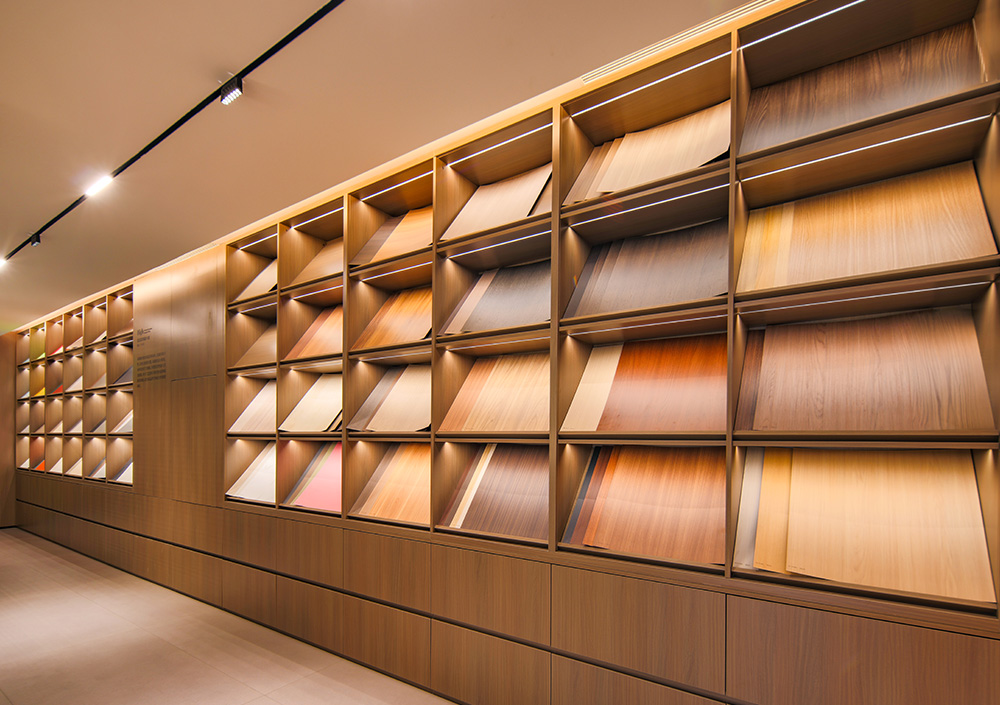
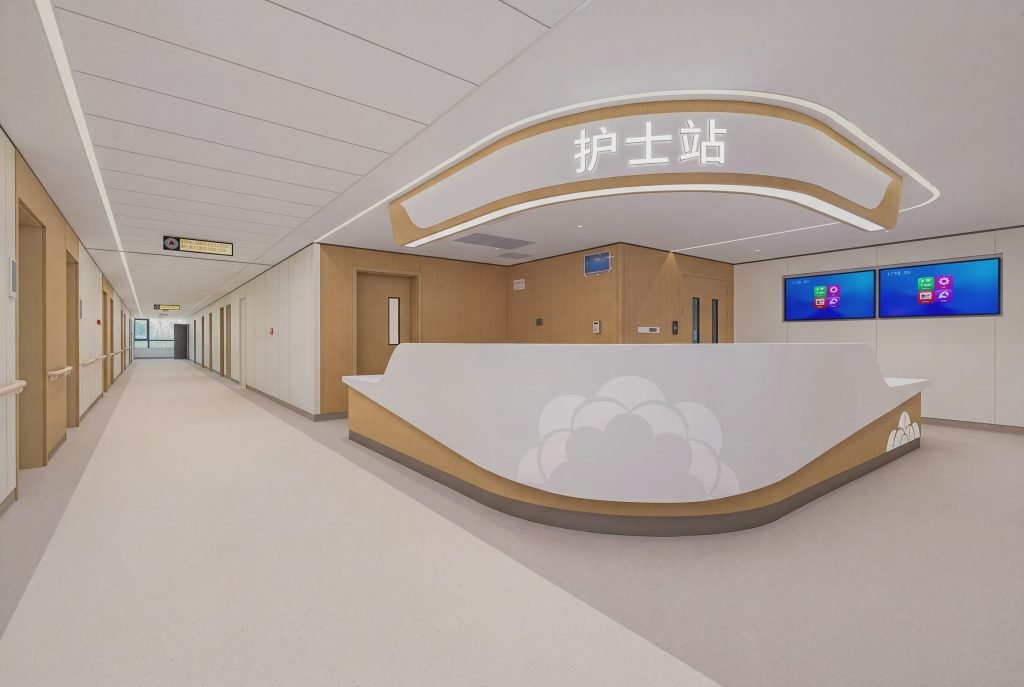
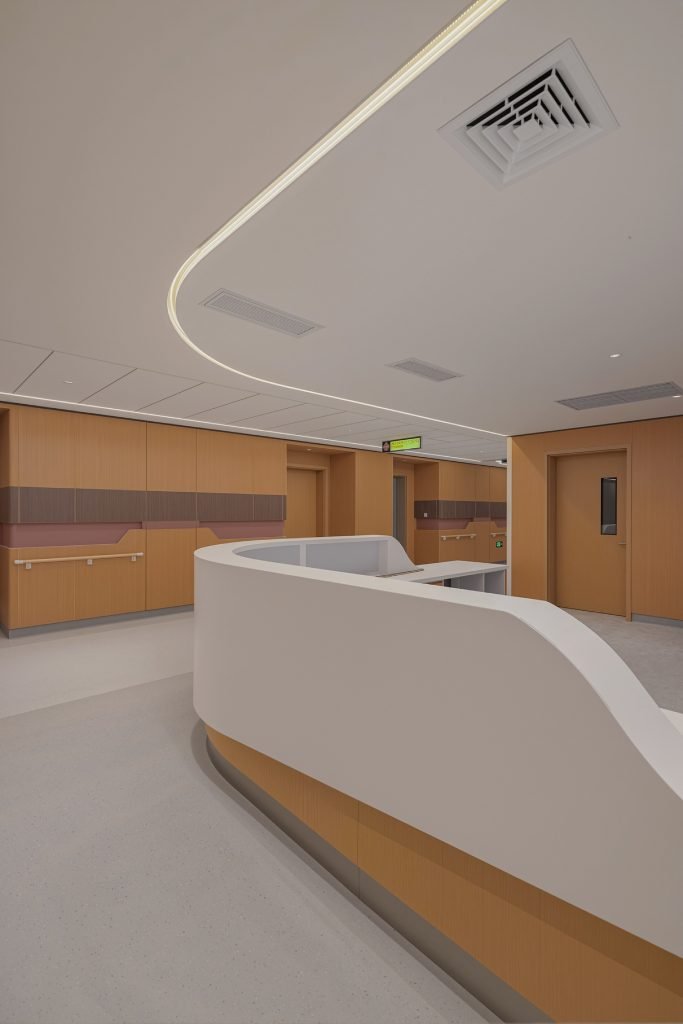
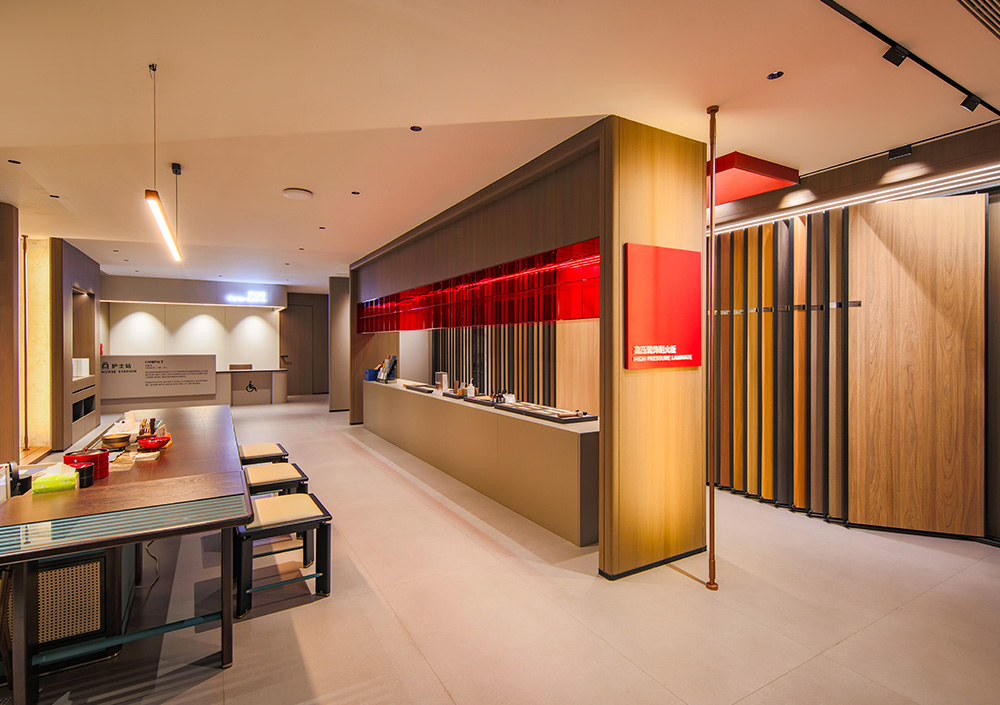
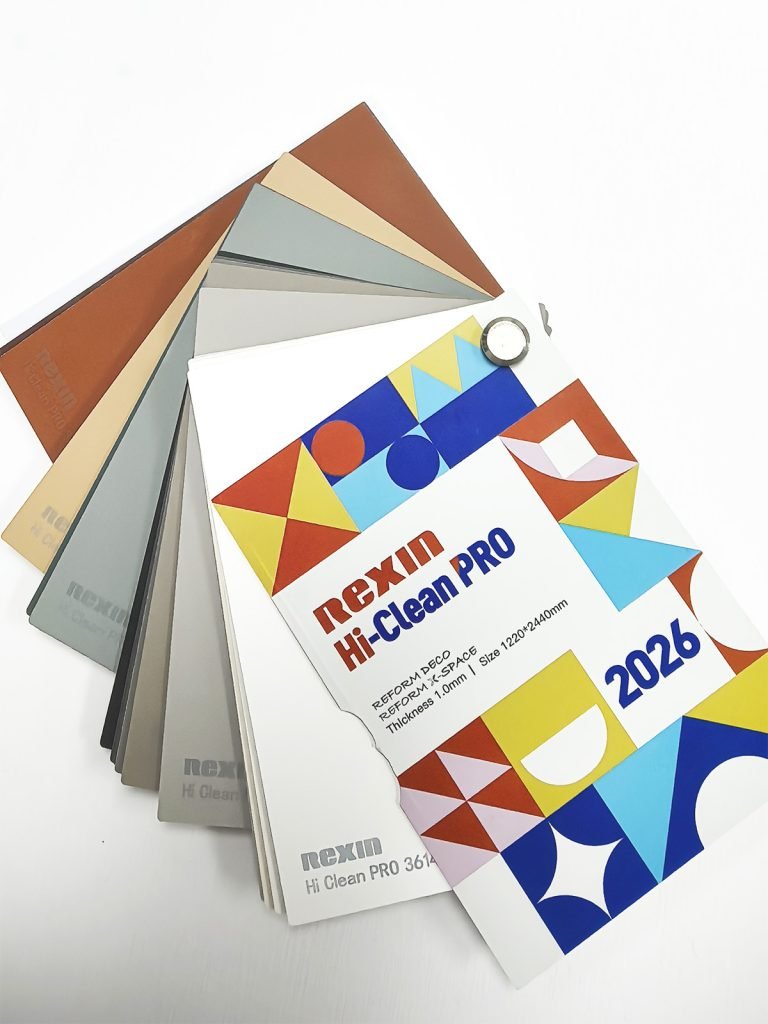
HPL is not only a functional material but also an important design element. A good manufacturer should offer a wide range of decorative options to meet different architectural and interior design needs.
Look for suppliers that provide:
- Various colors and patterns
- Wood grain finishes
- Stone-inspired designs
- Solid colors
- Different surface textures
- Customized designs
For large projects, customization capability is especially important. A flexible manufacturer can help develop special colors, finishes, sizes, or solutions according to customer requirements.




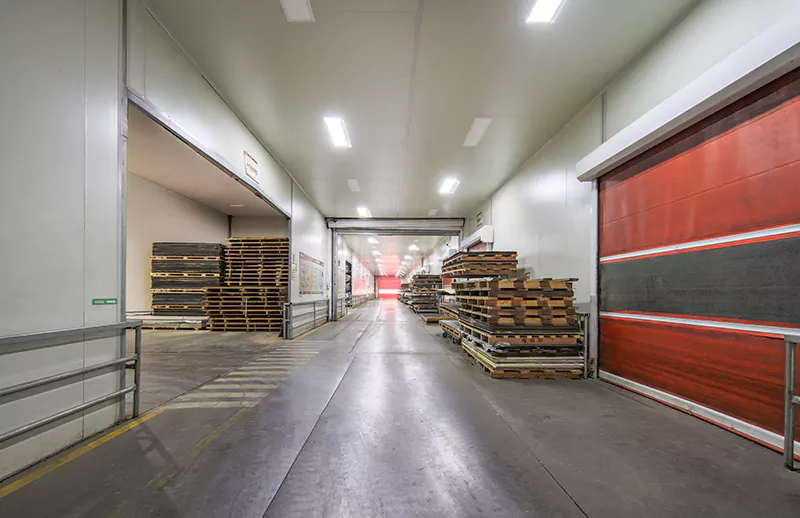
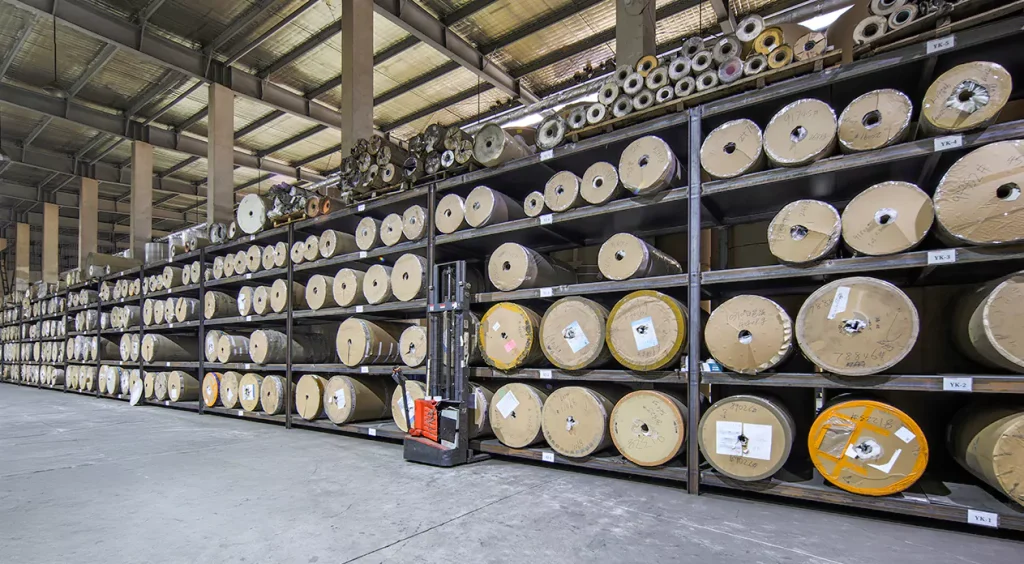
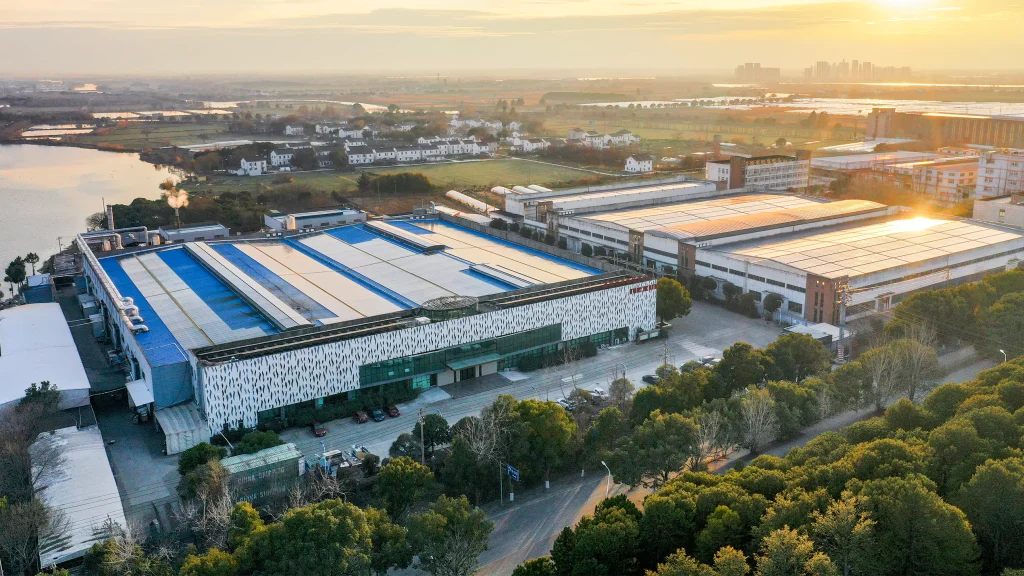
5. Production Capacity and Supply Stability
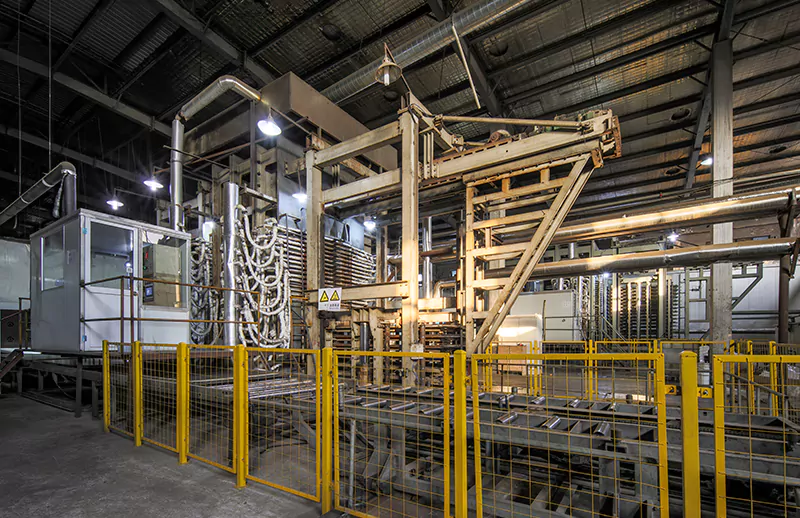
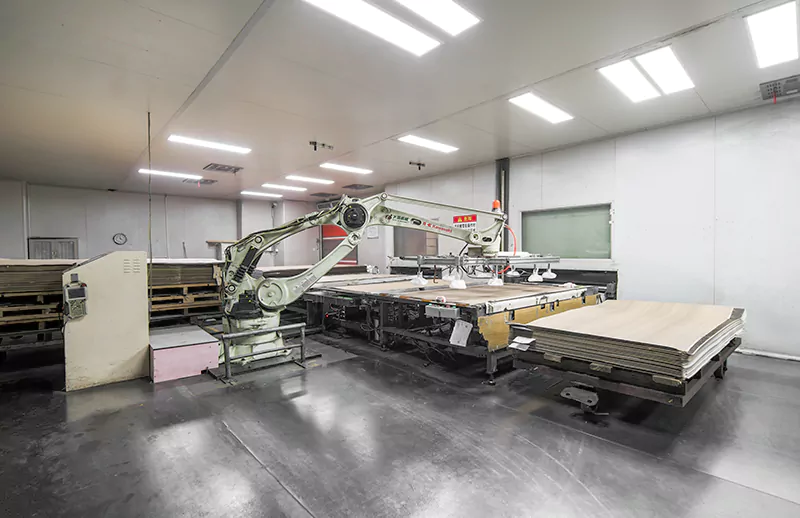
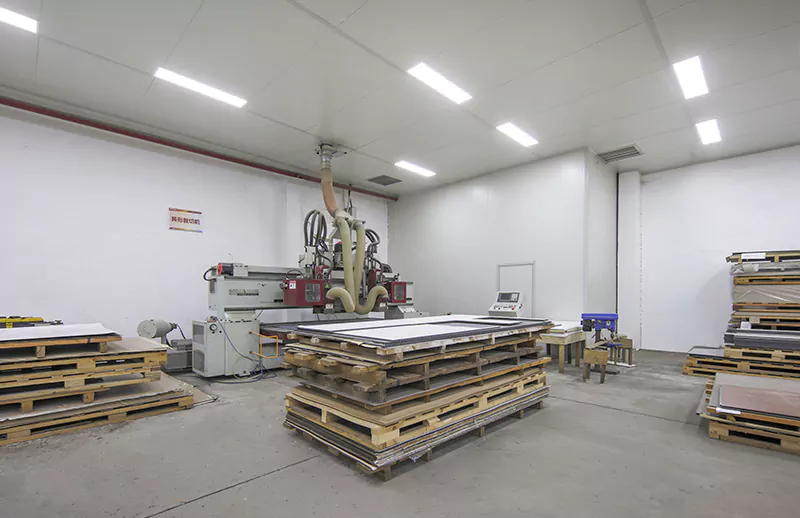
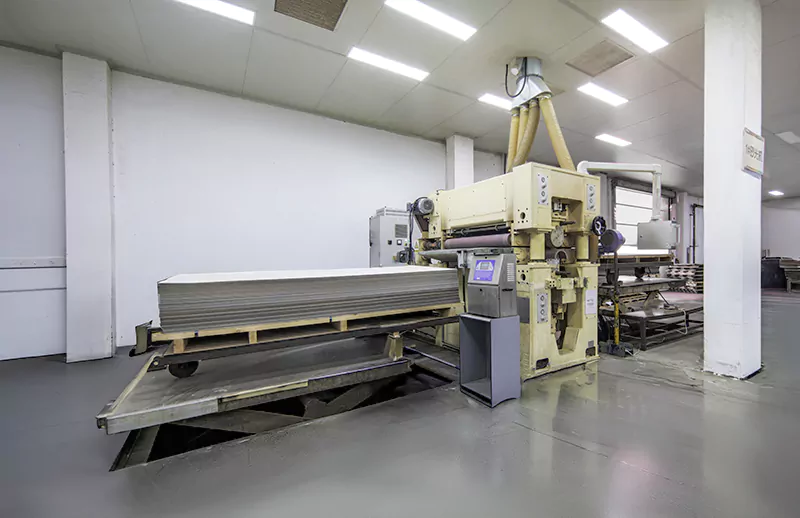
For distributors and large-scale projects, production capacity is a critical consideration. A manufacturer with sufficient production capability can ensure stable delivery and avoid project delays.
Evaluate:
- Factory scale
- Production equipment
- Monthly output capacity
- Raw material supply chain
- Delivery performance
A dependable supplier should be able to handle both regular orders and large-volume project requirements.
6. Quality Control System
A professional HPL manufacturer should have a strict quality control process covering every stage of production.
A complete QC system usually includes:
- Inspection of raw materials
- Monitoring during production
- Finished product testing
- Packaging inspection before shipment
Consistent quality control helps minimize defects and ensures every batch meets customer expectations.
7. Global Export Experience
If you are sourcing HPL internationally, export experience is an important advantage. Manufacturers familiar with global markets usually understand:
- International packaging requirements
- Shipping procedures
- Documentation requirements
- Different regional standards
A supplier with successful overseas projects can provide smoother communication and more reliable cooperation.





8. Technical Support and Customer Service
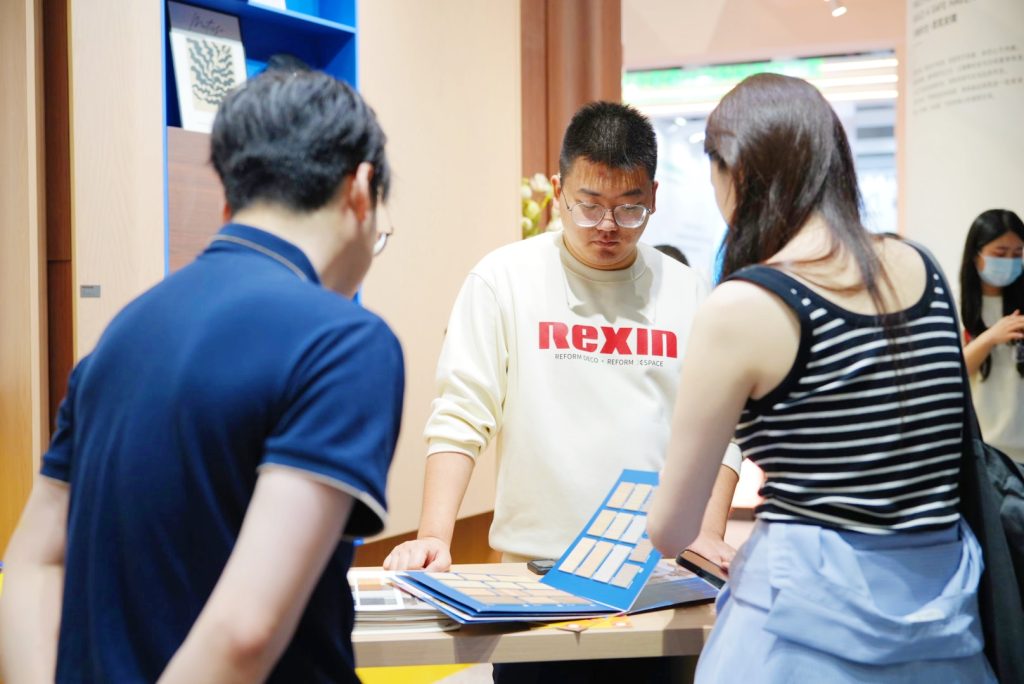
A good HPL manufacturer should provide more than just products. Professional technical support can help customers choose the right materials and solve application challenges.
Consider whether the manufacturer offers:
- Product recommendations
- Installation guidance
- Technical documentation
- Sample services
- After-sales support
Strong customer service helps build long-term partnerships rather than one-time transactions.
9. Sustainability Commitment
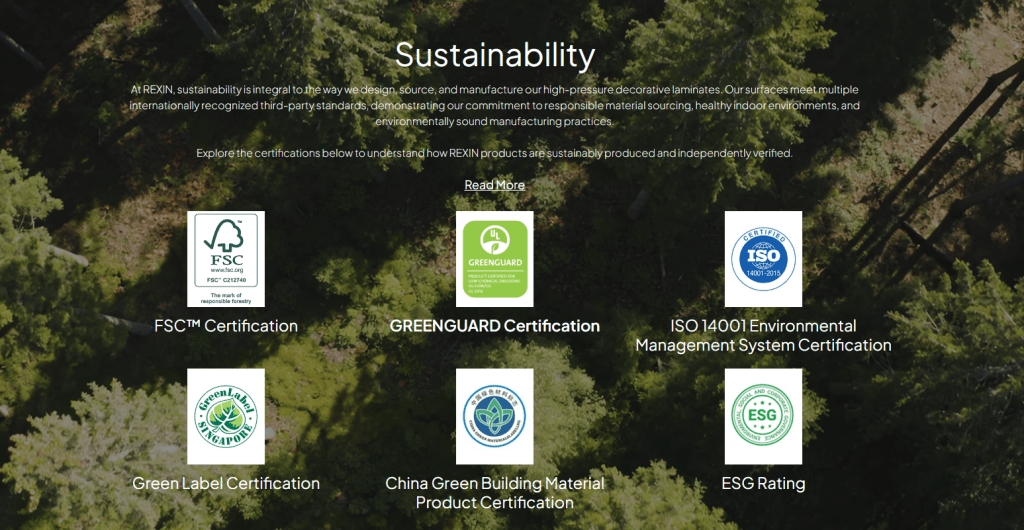
Sustainability is becoming increasingly important in modern construction and interior design. Responsible HPL manufacturers should focus on environmentally friendly production practices.
Consider manufacturers that provide:
- Low-emission products
- Sustainable raw materials
- Environmentally responsible manufacturing processes
- Relevant green certifications
Sustainable HPL solutions can help projects achieve green building goals while maintaining high performance.
Why Choose REXIN HPL?
REXIN HPL specializes in the research, development, and manufacturing of high-quality HPL solutions for global customers.
With professional manufacturing capabilities and extensive experience in decorative surface materials, REXIN provides HPL products for a wide range of applications, including furniture, interior decoration, commercial spaces, and architectural projects.
REXIN focuses on:
- Reliable product quality
- Diverse decorative designs
- Customization solutions
- International project support
- Sustainable material development
For HPL solutions and cooperation opportunities:
Email: Export@rexinhpl.com
Conclusion
Choosing the right HPL manufacturer requires careful evaluation of product quality, manufacturing experience, certifications, customization ability, production capacity, and customer support.
A trustworthy HPL supplier should not only provide high-performance materials but also support your project from product selection to final application. By partnering with an experienced manufacturer, you can achieve better results, reduce risks, and ensure long-term value for your projects.