When choosing building materials for interior walls, cladding, or commercial spaces, you will often see terms like fire rated, fire resistant, and sometimes even fire proof.
Although they sound similar, they actually describe different levels of fire safety performance. Understanding these differences is important for safety compliance, material selection, and project approval.
1. What Does Fire Resistant Mean?
Fire resistant refers to a material’s ability to withstand fire exposure for a certain period of time without quickly failing or losing its structure.
It focuses on performance during a fire event, such as:
- Slowing down heat penetration
- Maintaining structural stability for a limited time
- Reducing early damage from flames
However, “fire resistant” is usually a general performance description, and it may not always refer to a certified test standard.
Simply put:
Fire resistant = can withstand fire for a period of time
It is often used in product descriptions where materials are engineered to perform better under heat, but not necessarily certified for regulatory compliance.
2. What Does Fire Rated Mean?
Fire rated materials are different because they are tested, classified, and certified under official fire safety standards.
Common international standards include:
- ASTM E84 (Surface Burning Characteristics)
- EN 13501-1 (European fire classification system)
Fire rated materials are evaluated based on:
- Flame spread behavior
- Smoke production
- Heat release
- Compliance with building codes
Simply put:
Fire rated = tested and certified for regulated construction use
This makes fire rated materials essential for:
- Commercial buildings
- Hospitals and schools
- Airports and transport hubs
- High-rise and public buildings
3. What About Fire Proof?
The term fire proof is widely used in marketing, but it is not a precise technical or certification term in construction standards.
In reality:
- No building material is completely “fire proof” under extreme conditions
- All materials will eventually be affected by sufficient heat and time
Simply put:
Fire proof = a non-technical term meaning “high fire resistance”, but not a certified performance level
For professional construction projects, engineers and architects usually rely on fire rated classifications instead of “fire proof” claims.
4. Fire Resistant vs Fire Rated vs Fire Proof (Quick Comparison)
| Term | Meaning | Certification | Use in Construction |
|---|---|---|---|
| Fire Resistant | Withstands fire for a period | Not always | General performance description |
| Fire Rated | Tested and certified | Yes | Required for regulated buildings |
| Fire Proof | Marketing term | No | Not used in formal standards |
5. Why This Difference Matters in Real Projects
Choosing the wrong material classification can lead to:
- Failed fire inspections
- Project delays
- Rework or replacement costs
- Compliance risks in public buildings
In construction, fire rated materials are often mandatory, while fire resistant products are used in less regulated or decorative applications.
6. How REXIN Fire Performance Materials Fit In
At REXIN, fire safety is not just a feature—it is part of the product system design.
REXIN provides different levels of fire performance solutions depending on project requirements.
Fire-retardant HPL (Enhanced Safety Decorative Option)
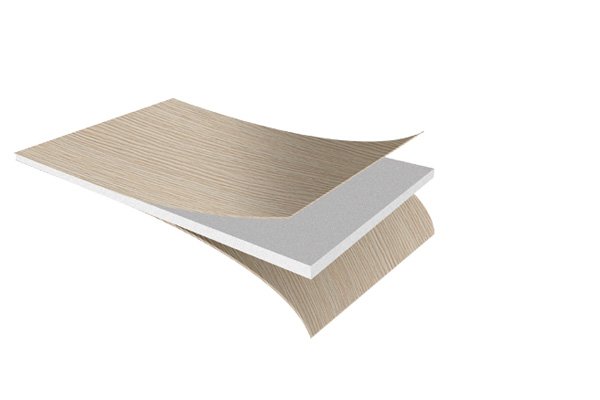
REXIN’s Fire-retardant HPL is designed for interior applications that require improved fire behavior compared to standard decorative laminates.
It offers:
- Slower flame spread
- Decorative surface flexibility
- Cost-effective interior solution
Typical applications include:
- Furniture surfaces
- Interior wall decoration
- Residential or low-risk commercial spaces



Fire Rated Solution: TAIKA A2 Wall Panels
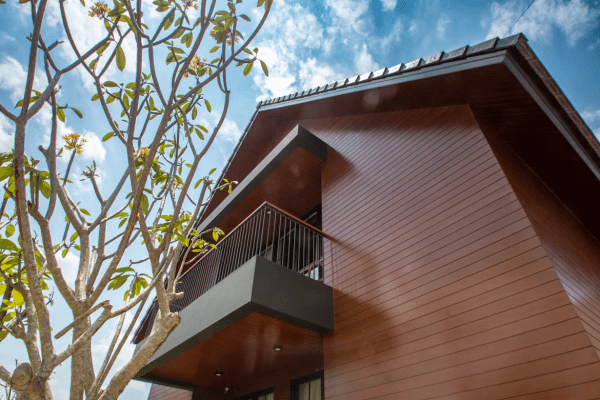
For projects requiring certified fire performance, REXIN offers TAIKA Wall Panels, classified as A2 fire rated non-combustible material.
A2 classification means:
- Very limited combustibility
- Extremely low contribution to fire development
- Minimal smoke production
- Suitable for strict building regulations
Typical applications include:
- Hospitals and healthcare facilities
- Schools and universities
- Airports and transportation hubs
- Commercial offices
- Hotel public areas and corridors



7. Frequently Asked Questions (FAQ)
Q1: Is fire resistant the same as fire rated?
No.
- Fire resistant describes performance behavior under fire exposure
- Fire rated means the material is tested and certified under standards
Q2: What is the difference between fire resistant and fire proof?
Fire resistant means the material can withstand fire for a period of time.
Fire proof is a non-technical term and does not represent a certified performance level.
Q3: What is the difference between fire retardant and fire proof?
Fire retardant materials slow down flame spread, while fire proof is an informal term often used in marketing. No material is completely fire proof under extreme fire conditions.
Q4: Which is safer: fire rated or fire resistant?
Fire rated materials are safer in regulated construction because they are tested, certified, and compliant with building codes.
8. Final Conclusion
Although these terms are often used interchangeably, their meanings are very different:
- Fire resistant = performance description
- Fire retardant = slows fire spread
- Fire rated = certified fire safety standard
- Fire proof = informal marketing term
For modern construction projects, especially commercial and public buildings, fire rated materials are the required standard, not optional.
By offering both Fire-retardant HPL and A2 Fire Rated TAIKA Wall Panels, REXIN provides flexible solutions for different fire safety requirements in architectural design.
For product details, technical support, or samples, please contact REXIN at Export@rexinhpl.com.