When choosing wall panels, cladding, or interior materials for commercial buildings, you may often see two terms: fire-rated and fire-retardant. They sound similar, but they are not the same. Understanding the difference is important for safety, compliance, and material selection.
Let’s break it down in a simple way.
1. What Does “Fire-Retardant” Mean?
Fire-retardant materials are designed to slow down the spread of fire.
They do not stop fire completely, but they help:
- Delay ignition
- Reduce flame spread speed
- Give more time for evacuation
- Minimize initial fire damage
Fire-retardant performance usually comes from:
- Chemical treatment of materials
- Naturally resistant base materials
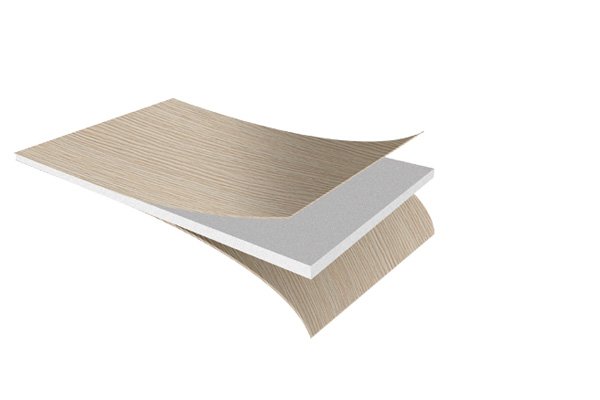
- Engineered surface layers (like HPL or coatings)
In short: Fire-retardant = slows fire down
2. What Does Fire-Rated Mean?
Fire-rated materials go one step further. They are tested and certified according to official fire standards, and must pass strict performance requirements.
These standards may include:
- ASTM E84 (surface burning characteristics)
- EN 13501-1 (European fire classification system)
Fire-rated products are evaluated for:
- Flame spread behavior
- Smoke production
- Heat contribution
- Compliance with building regulations
In simple terms: fire-rated = tested, certified, and approved for regulated construction use
3. Key Difference in One View
| Feature | Fire-Retardant | Fire-Rated |
|---|---|---|
| Definition | Slows fire spread | Certified fire performance |
| Testing | Not always standardized | Required official testing |
| Compliance | Basic protection | Building code compliance |
| Usage | General interiors | Commercial/public buildings |
| Documentation | Limited | Test certificates required |
4. Why This Difference Matters in Real Projects
In real construction projects, the difference is not just technical—it affects approval, safety, and cost.
Using the wrong material may lead to:
- Failed fire inspections
- Project delays
- Rework or replacement costs
- Safety risks in public spaces
For this reason, fire-rated materials are often mandatory in commercial buildings, while fire-retardant materials are used in lower-risk decorative applications.
5. How REXIN Covers Both Needs
Modern architectural projects often require different fire safety levels depending on building zones and applications. To meet these needs, REXIN offers a full range of fire performance solutions.
Fire-retardant HPL (Flexible Safety Option)
REXIN’s Fire-retardant HPL is designed for projects that need improved flame resistance in decorative applications. It balances:
- Surface design flexibility
- Cost efficiency
- Enhanced fire behavior compared to standard laminates
It is widely used in interior environments where full certification is not mandatory but improved fire performance is still important.



A2 Fire-rated Solution: TAIKA Wall Panels
For higher safety requirements, REXIN also provides TAIKA Wall Panels, an A2 fire-rated non-combustible system.
A2 classification means:
- Very limited combustibility
- Extremely low fire contribution
- Minimal smoke production
- Suitable for strict building regulations
Typical applications include:
- Hospitals and healthcare facilities
- Schools and universities
- Airports and transport hubs
- Commercial offices and hotel public areas



6. Fire-Retardant vs Fire-Rated in Practice
A simple way to choose:
- If the project is decorative or residential, fire-retardant HPL may be suitable
- If the project is public, commercial, or code-regulated, fire-rated systems like A2 panels are required
REXIN provides both options so designers can match material performance with real project requirements.
7. Final Conclusion
The key difference is clear:
- Fire-retardant = slows fire spread
- Fire-rated = tested and certified fire safety performance
Both play important roles in modern architecture, but they are not interchangeable.
By offering both Fire-retardant HPL and A2 Fire-rated TAIKA Wall Panels, REXIN provides a complete system to support different safety levels across interior design and construction projects.
For product details, technical support, or samples, please contact REXIN at Export@rexinhpl.com.