Choosing the right HPL sheet colors is an important step in creating attractive and functional interior spaces. Whether used for furniture, wall panels, cabinets, countertops, or commercial interiors, the color and finish of HPL can significantly influence the overall style and atmosphere of a project.
With a wide variety of patterns, textures, and finishes available, selecting the ideal HPL color requires consideration of design goals, application environments, and long-term trends.



1. Consider the Overall Design Style
The first step in choosing HPL sheet colors is to match them with the desired design style.
- Modern minimalist spaces: Neutral colors such as white, gray, beige, and soft black create a clean and elegant appearance.
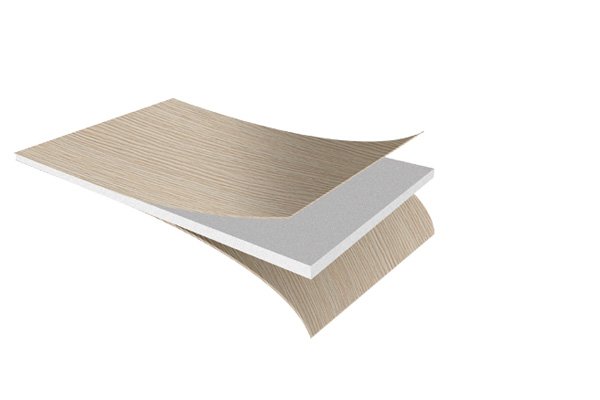
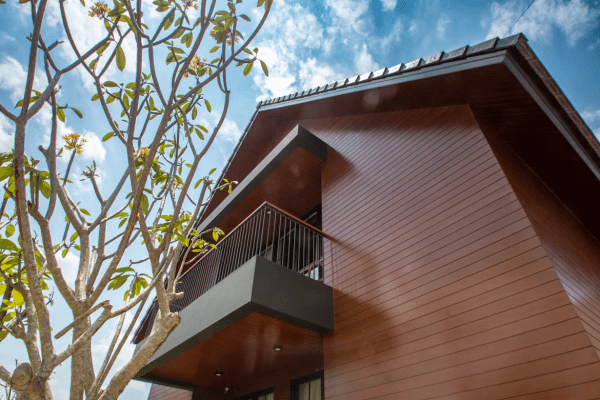
- Natural designs: Wood grain HPL colors add warmth and a connection to nature.
- Luxury interiors: Stone patterns, deep tones, and textured finishes can create a sophisticated look.
- Commercial spaces: Brand colors and coordinated color schemes help create a consistent visual identity.
Choosing colors that complement the overall design concept ensures a balanced and professional result.
2. Match Colors with the Application Environment
Different spaces may require different color choices.
For example:
- Hotels and restaurants: Warm wood tones and natural textures can create a comfortable and welcoming atmosphere.
- Offices: Neutral colors help create a professional and productive environment.
- Healthcare facilities: Light and calming colors are often preferred to create a clean and relaxing feeling.
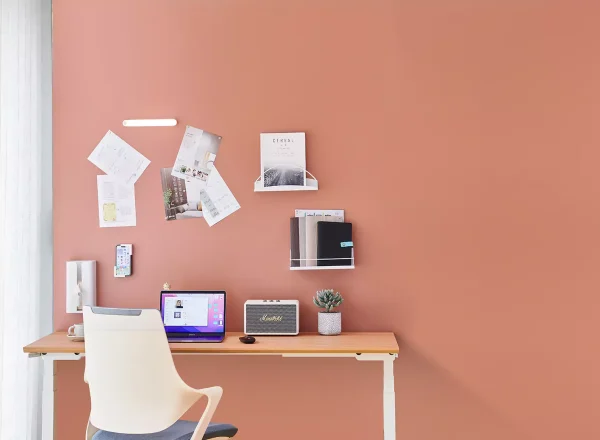
- Residential interiors: Personalized colors and natural finishes can reflect homeowners’ preferences.
The right HPL color should not only look attractive but also suit the function of the space.
3. Think About Lighting Conditions
Lighting can affect how HPL colors appear. Natural light, artificial lighting, and the size of a room may change the visual effect of different colors.
- Light-colored HPL sheets can make small spaces appear larger and brighter.
- Dark-colored panels can add depth and create a more dramatic atmosphere.
- Textured finishes may create different visual effects depending on the direction of light.
It is recommended to review physical samples under the actual lighting conditions before making a final decision.
4. Consider Durability and Maintenance
While appearance is important, practical performance should also be considered. High-traffic areas may benefit from HPL colors and finishes that are easier to maintain and can better hide daily wear.
For commercial projects, selecting durable HPL sheets with suitable surface finishes helps maintain a consistent appearance over time.
5. Follow Trends While Maintaining Timeless Appeal
Design trends change over time, but some HPL colors remain popular for years. Natural wood tones, neutral shades, and stone-inspired patterns are widely used because they offer both modern appeal and long-term versatility.
For projects with a long service life, choosing timeless colors can help avoid frequent renovations.
6. Work with a Reliable HPL Manufacturer
A professional HPL manufacturer can provide a wide range of colors, textures, and customized solutions to meet different project requirements. Working with an experienced supplier also ensures consistent quality, accurate color matching, and reliable product performance.



Conclusion
Choosing HPL sheet colors involves more than selecting an attractive design. Factors such as interior style, application, lighting, maintenance needs, and long-term trends should all be considered.
By selecting the right HPL colors, designers and buyers can create spaces that are visually appealing, functional, and durable.
REXIN provides a wide range of high-quality HPL solutions with diverse colors and decorative finishes for residential, commercial, and architectural applications.
For more information, please contact REXIN: Export@rexinhpl.com.