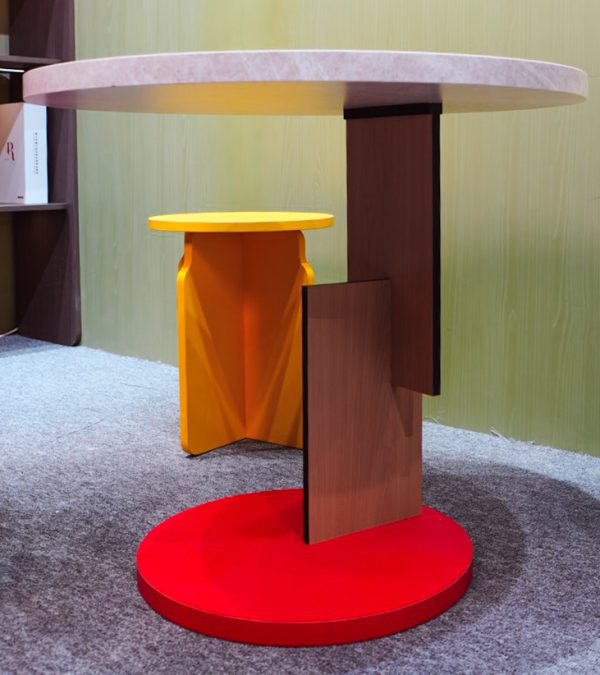
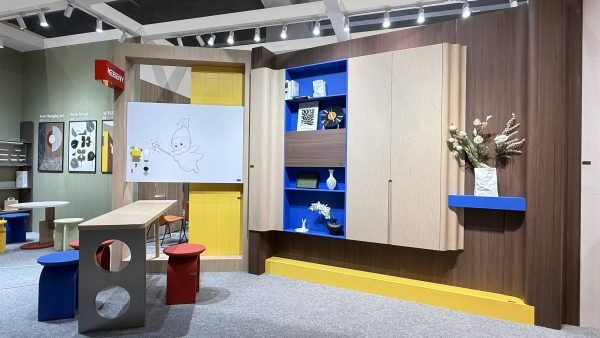
High Pressure Laminate (HPL) is one of the most popular decorative surface materials used in commercial and residential buildings. It is valued for its durability, attractive appearance, and low maintenance, making it a common choice for wall panels, furniture, cabinetry, and interior cladding.
When selecting materials for public buildings such as hotels, hospitals, schools, and offices, fire safety is a major concern. This often leads to an important question:
Is High Pressure Laminate (HPL) fire resistant?
The answer is yes—but the level of fire resistance depends on the type of HPL. While standard HPL offers moderate fire performance, specially engineered fire-retardant HPL provides significantly better resistance to flame spread and is designed to meet stricter building regulations.
In this guide, we’ll explain how HPL performs in a fire, the most common fire testing standards, and how to choose the right fire-rated HPL for your project.
What Is High Pressure Laminate (HPL)?
High Pressure Laminate is manufactured by pressing multiple layers of kraft paper impregnated with phenolic resin together with decorative paper and a protective overlay under high heat and pressure.
The result is a dense, durable, and decorative panel that offers excellent performance in demanding environments.
HPL is commonly used for:
- Interior wall panels
- Furniture surfaces
- Cabinetry
- Elevator interiors
- Healthcare facilities
- Hotels
- Commercial buildings
Its scratch resistance, impact resistance, and ease of maintenance make it one of the most widely used decorative materials worldwide.





Is Standard HPL Fire Resistant?
Compared with materials such as wood veneer, PVC panels, or wallpaper, standard HPL generally offers better fire performance.
Its compact structure helps slow flame spread and withstand higher temperatures than many decorative materials.
However, standard HPL is not non-combustible. It can still burn when exposed to sufficient heat and should not be described as “fireproof.”
For projects with higher fire safety requirements, manufacturers produce fire-retardant HPL, which is specially engineered to reduce flame spread and improve overall fire performance.
What Is Fire-Retardant HPL?
Fire-retardant HPL is manufactured using specially formulated core materials and resins that improve its reaction to fire.
Compared with standard HPL, fire-retardant HPL typically offers:
- Slower flame spread
- Lower heat release
- Reduced smoke generation
- Better compliance with building regulations
- Improved occupant safety
Because of these advantages, fire-retardant HPL is widely used in:
- Hotels
- Hospitals
- Schools
- Airports
- Shopping malls
- Office buildings
- Public transportation facilities
Understanding HPL Fire Ratings
Different countries use different fire testing standards. The three most common systems are EN 13501, BS 476, and ASTM E84.
EN 13501-1 (Europe)
EN 13501-1 is the European fire classification standard for construction products.
Materials are classified into Euroclasses:
| Euroclass | Fire Performance |
|---|---|
| A1 | Non-combustible |
| A2 | Very limited contribution to fire |
| B | Very limited contribution to fire |
| C | Limited contribution |
| D | Moderate contribution |
| E | Basic fire performance |
| F | No performance determined |
Additional ratings include:
- s1, s2, s3 – Smoke production
- d0, d1, d2 – Flaming droplets
For example:
B-s1,d0 indicates:
- Very limited contribution to fire
- Low smoke production
- No flaming droplets
This classification is commonly specified for commercial interior wall panels.
BS 476 (United Kingdom)
BS 476 is a long-established British fire testing standard that evaluates different aspects of fire performance, including:
- Surface spread of flame
- Fire propagation
- Fire resistance of building elements
Many existing buildings in the UK still reference BS 476, although EN 13501 classifications are becoming increasingly common for new construction projects.
ASTM E84 (United States)
For projects in North America, ASTM E84, also known as the Steiner Tunnel Test, is one of the most widely used fire tests for interior finish materials.
ASTM E84 measures:
- Flame Spread Index (FSI) – How rapidly flames spread across the material.
- Smoke Developed Index (SDI) – The amount of smoke generated during combustion.
Materials are classified as:
| ASTM E84 Classification | Flame Spread Index (FSI) |
|---|---|
| Class A (Class I) | 0–25 |
| Class B (Class II) | 26–75 |
| Class C (Class III) | 76–200 |
Although ASTM E84 cannot be directly converted into EN 13501 ratings, it remains the preferred fire performance standard for many projects in the United States and Canada.
Does HPL Melt During a Fire?
Unlike many plastic decorative materials, HPL generally does not melt or drip when exposed to fire.
Instead, depending on its formulation, it tends to:
- Char on the surface
- Slow flame spread
- Maintain structural stability longer
- Produce less smoke when fire-retardant formulations are used
These characteristics make fire-retardant HPL a safer option for commercial buildings where evacuation time is critical.
Where Is Fire-Retardant HPL Used?
Fire-retardant HPL is recommended for projects where fire safety and regulatory compliance are important.
Typical applications include:
- Hotel guest rooms and corridors
- Hospitals and healthcare facilities
- Schools and universities
- Office buildings
- Shopping malls
- Airports
- Railway stations
- Cruise ships
- Public buildings
Many architects specify fire-rated HPL to help meet building code requirements while maintaining an attractive interior design.
Fire-Rated Wall Solutions from REXIN
For projects requiring enhanced fire performance, REXIN Fire Retardant HPL Wall Panels combine modern decorative finishes with reliable fire safety.
REXIN Fire Retardant HPL Wall Panels
Product: https://rexinhpl.com/fire-retardant-hpl/
Key features include:
- EN 13501-1 Class B fire rating
- Excellent resistance to flame spread
- Durable, impact-resistant surface
- Moisture and stain resistant
- Easy to clean and maintain
- Available in a wide range of colors, textures, and finishes
- Ideal for hotels, hospitals, offices, schools, shopping malls, and other commercial interiors






REXIN Fire Retardant HPL Wall Panels are designed to provide reliable fire performance while maintaining the durability and decorative appearance expected from premium HPL. They are an excellent choice for commercial interiors where both aesthetics and safety are priorities.
For product information, technical documentation, or project support, please contact:
Email: Export@rexinhpl.com
How to Choose the Right Fire-Rated HPL
Before selecting HPL for your project, consider the following factors:
- Local building regulations
- Required fire classification
- Project type
- Occupancy level
- Smoke performance requirements
- Installation environment
Always request official fire test reports and certification to ensure the product complies with the applicable standards for your market.
Conclusion
So, is High Pressure Laminate (HPL) fire resistant?
Yes—but not all HPL products provide the same level of fire performance.
Standard HPL offers better fire resistance than many traditional decorative materials, while fire-retardant HPL is specially designed to slow flame spread, reduce smoke generation, and comply with stricter fire safety regulations.
Whether your project follows EN 13501 in Europe, BS 476 in the UK, or ASTM E84 in North America, selecting certified fire-retardant HPL helps improve safety, supports regulatory compliance, and provides greater peace of mind.
If you’re looking for high-quality decorative wall panels with reliable fire performance, REXIN Fire Retardant HPL Wall Panels offer an excellent combination of durability, design flexibility, and EN 13501-1 Class B fire protection.
For more information, please visit https://rexinhpl.com/fire-retardant-hpl/ or contact Export@rexinhpl.com.