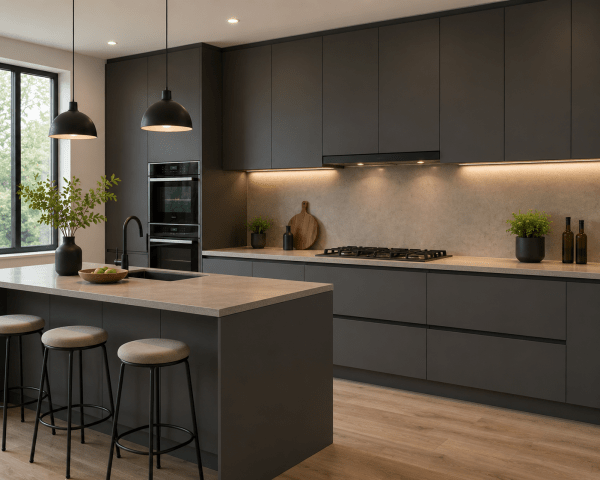
When selecting surfacing materials for commercial buildings, interior spaces, furniture, and architectural projects, cost is often one of the most important factors. Two popular options frequently compared are Aluminum Composite Panels (ACP) and High-Pressure Laminate (HPL). While both materials provide durability and aesthetic appeal, their pricing structures, installation requirements, and long-term value differ significantly.
In this guide, we’ll compare ACP vs HPL prices, explore the factors that affect costs, and help you determine which material offers the best return on investment for your project.
What Is ACP?
Aluminum Composite Panel (ACP) is a lightweight construction material consisting of two thin aluminum sheets bonded to a non-aluminum core. ACP is widely used for:
- Exterior building facades
- Signage systems
- Cladding applications
- Commercial renovations
- Decorative wall panels
ACP is valued for its modern appearance, weather resistance, and lightweight structure.
What Is HPL?
High-Pressure Laminate (HPL) is manufactured by compressing multiple layers of kraft paper and decorative paper under high heat and pressure with thermosetting resins. HPL is commonly used for:
- Kitchen countertops
- Cabinet surfaces
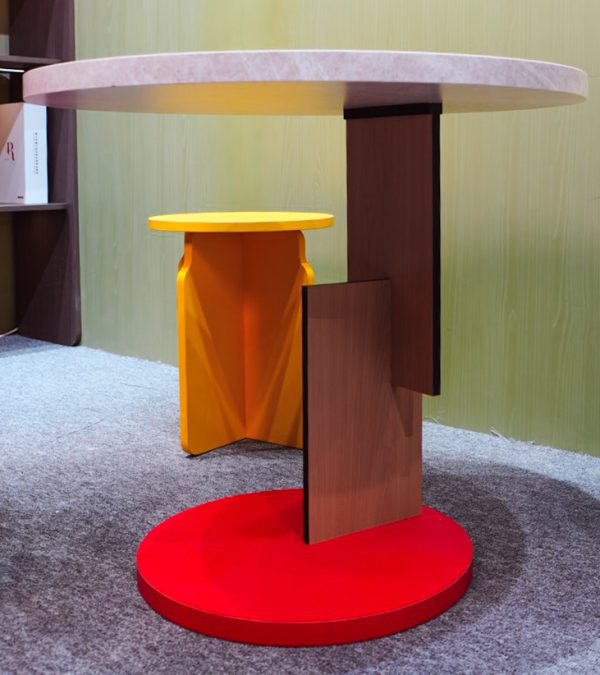
- Furniture manufacturing
- Wall panels
- Laboratory surfaces
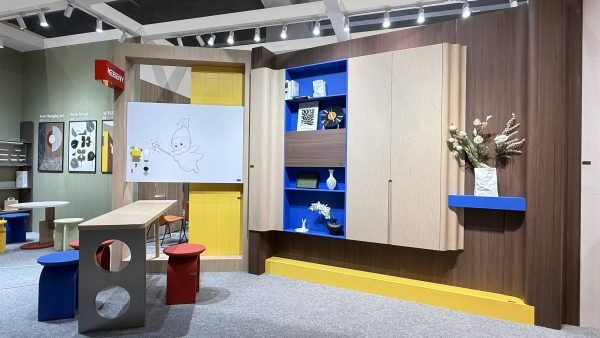
- Commercial interiors
HPL is known for its excellent durability, impact resistance, and wide range of design options.
ACP vs HPL Price Comparison
The exact cost depends on thickness, finish, quantity, and manufacturer, but the following table provides a general comparison.
| Factor | ACP | HPL |
|---|---|---|
| Material Cost | Moderate to High | Moderate |
| Installation Cost | Higher | Lower |
| Transportation Cost | Moderate | Lower |
| Customization Cost | Higher | Moderate |
| Maintenance Cost | Low | Low |
| Long-Term Replacement Cost | Moderate | Low |
| Overall Value | Good | Excellent |
Generally speaking, standard interior-grade HPL is often more cost-effective than ACP for furniture and interior applications, while ACP may be preferred for large-scale exterior cladding projects.
Factors Affecting ACP Pricing
1. Aluminum Thickness
The thickness of aluminum skins significantly impacts ACP pricing. Panels with thicker aluminum layers cost more but provide improved durability and structural performance.
2. Core Material
ACP panels may use:
- Polyethylene (PE) core
- Fire-retardant (FR) core
- Mineral-filled core
Fire-retardant ACP panels are typically more expensive due to enhanced safety performance.
3. Surface Finish
Premium finishes such as:
- PVDF coating
- Wood grain
- Stone texture
- Metallic effects
can substantially increase the cost of ACP panels.
4. Project Scale
Large commercial projects often benefit from bulk purchasing discounts, reducing the overall ACP cost per square meter.
Factors Affecting HPL Pricing
1. Laminate Thickness
Standard decorative laminates are generally affordable, while compact laminates and specialty grades carry higher prices due to increased material usage.
2. Decorative Design
HPL is available in thousands of designs, including:
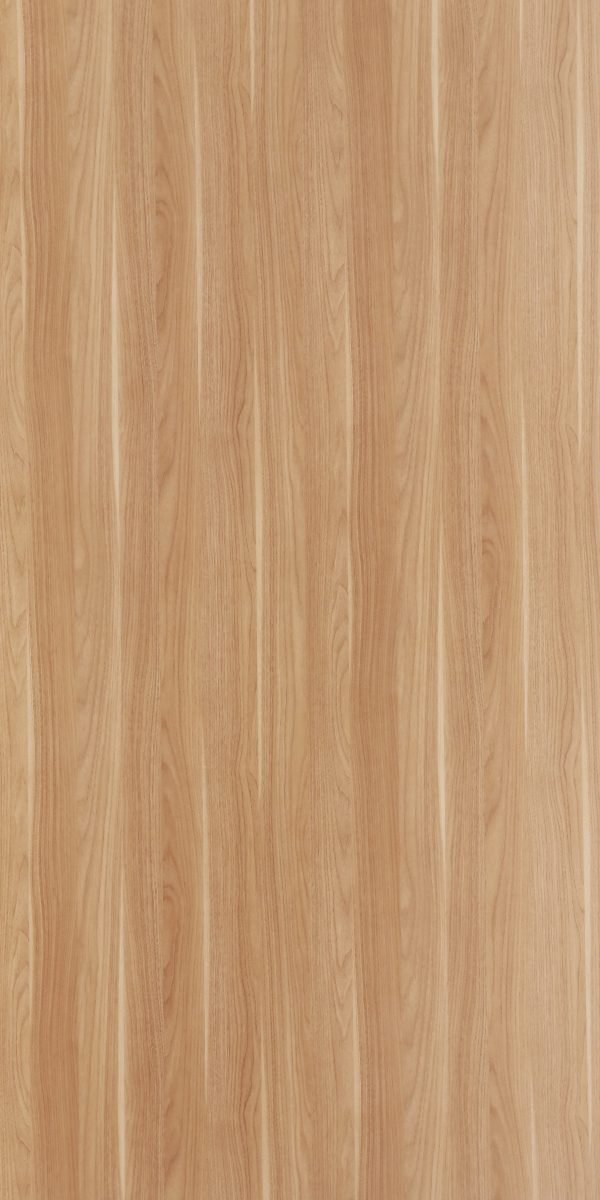
- Woodgrain patterns
- Solid colors
- Marble effects
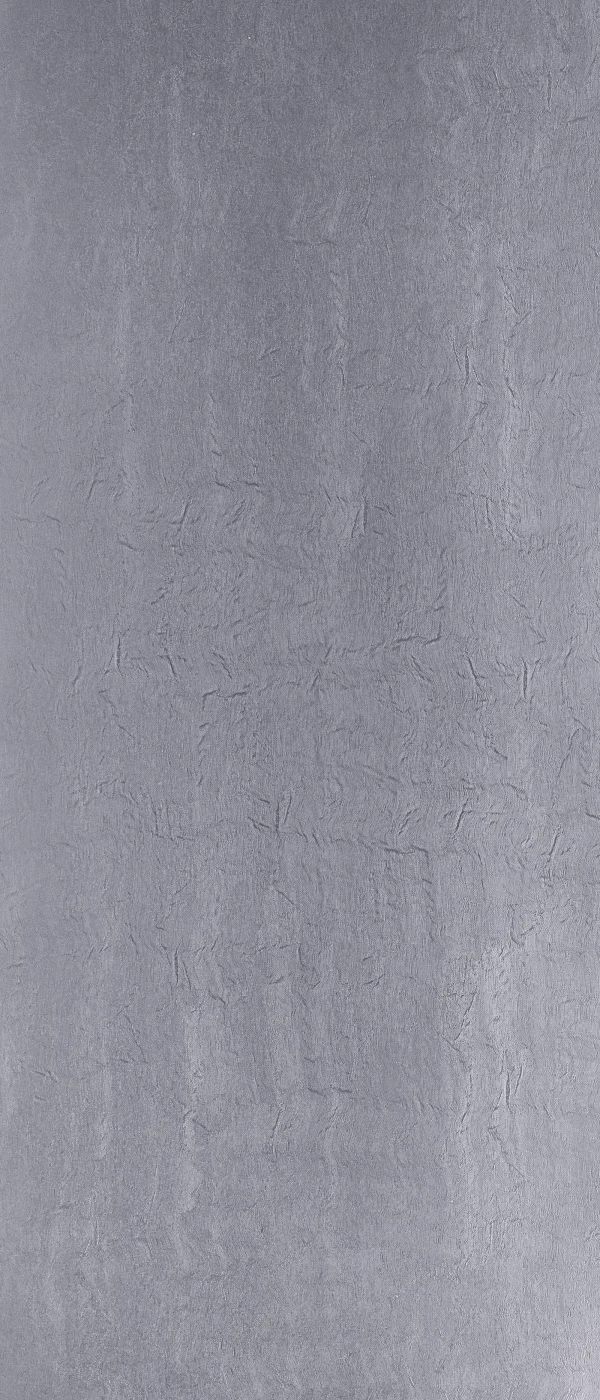
- Concrete textures
- Metallic finishes
Premium textures and synchronized woodgrain finishes may cost more.
3. Performance Requirements
Specialized HPL products such as:
- Antibacterial laminates
- Chemical-resistant laminates
- Exterior-grade HPL
- Fire-retardant HPL
typically command higher prices than standard decorative laminates.
4. Brand and Manufacturer
Established manufacturers with advanced production technologies and stringent quality control standards may charge slightly higher prices but often deliver superior consistency and durability.
Installation Cost Comparison
ACP Installation
ACP installation usually requires:
- Metal framing systems
- Mechanical fasteners
- Professional fabrication
- Specialized labor
As a result, installation costs can account for a significant portion of the overall project budget.
HPL Installation
HPL installation is generally simpler. Sheets can be bonded to substrates such as:
- MDF
- Plywood
- Particle board
This reduces labor requirements and overall installation expenses.
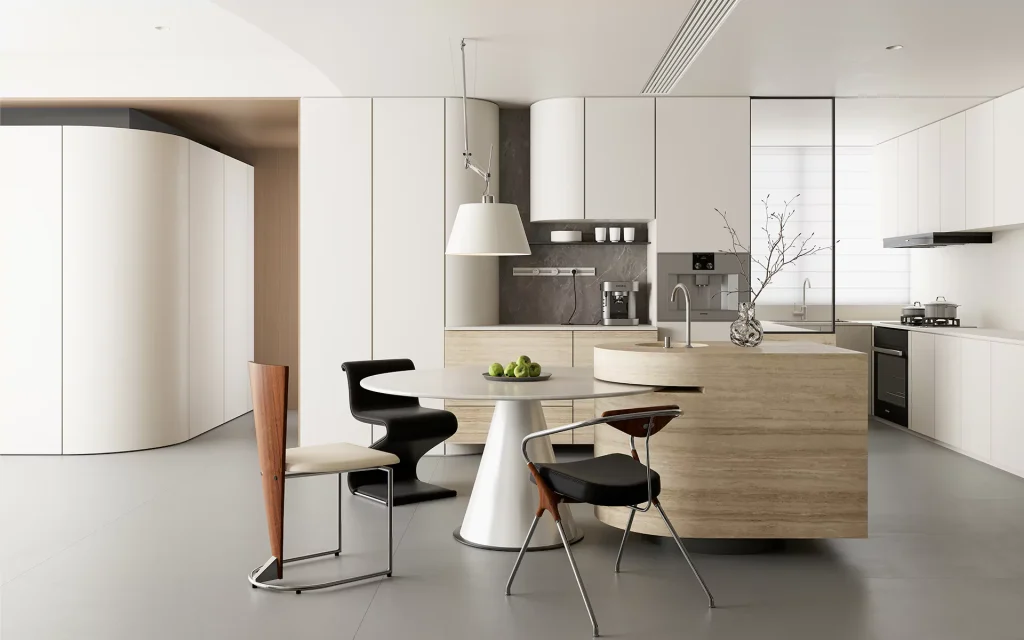
For interior furniture and cabinetry, HPL often provides a more economical solution.
Maintenance and Lifecycle Costs
ACP
ACP offers excellent weather resistance and requires minimal maintenance. However, if damage occurs, replacing large facade panels can be expensive.
HPL
HPL surfaces are highly resistant to:
- Scratches
- Impact
- Stains
- Moisture
- Daily wear
Routine cleaning usually requires only mild soap and water, helping reduce long-term maintenance costs.
Because of its durability, HPL often provides a lower lifecycle cost for interior applications.
Which Is More Cost-Effective?
The answer depends on the intended application.
Choose ACP If:
- You need exterior building cladding.
- Lightweight facade materials are required.
- Weather resistance is the primary concern.
- Large architectural surfaces are involved.
Choose HPL If:
- You are manufacturing furniture.
- You need countertop surfaces.
- Cabinetry and interior decoration are involved.
- Long-term durability and design flexibility are priorities.
- You want a cost-effective interior surfacing solution.
For most interior applications, HPL typically offers a better balance between initial investment, performance, and lifespan.
Why More Designers Are Choosing HPL
Modern HPL products have evolved far beyond traditional laminates. Today’s premium HPL surfaces offer:
- Realistic woodgrain designs
- Stone and marble effects
- Fingerprint-resistant finishes
- Antibacterial surfaces
- Fire-retardant options
- Sustainable manufacturing processes
These advantages allow architects and designers to achieve premium aesthetics while maintaining budget control.

Frequently Asked Questions
Is ACP more expensive than HPL?
For interior applications, ACP is generally more expensive when installation and supporting structures are included. HPL often provides a more economical solution.
Which material lasts longer?
Both materials are durable when used correctly. ACP performs exceptionally well outdoors, while HPL excels in interior environments with high traffic and daily use.
Can HPL be used outdoors?
Yes. Exterior-grade HPL products are specifically designed to withstand UV exposure, moisture, and changing weather conditions.
Which material is easier to install?
HPL is typically easier and less expensive to install, especially for furniture, cabinetry, and interior wall applications.
Conclusion
When comparing ACP vs HPL prices, the lowest purchase price does not always represent the best overall value. ACP remains an excellent choice for exterior cladding and architectural facades, while HPL often delivers superior cost-effectiveness for furniture, cabinetry, countertops, and interior decorative applications.
By evaluating not only the material cost but also installation, maintenance, and long-term performance, project owners can make a smarter investment that maximizes both aesthetics and durability.
For more information about premium decorative laminates, compact laminates, and customized surface solutions, contact REXIN HPL at Export@rexinhpl.com.