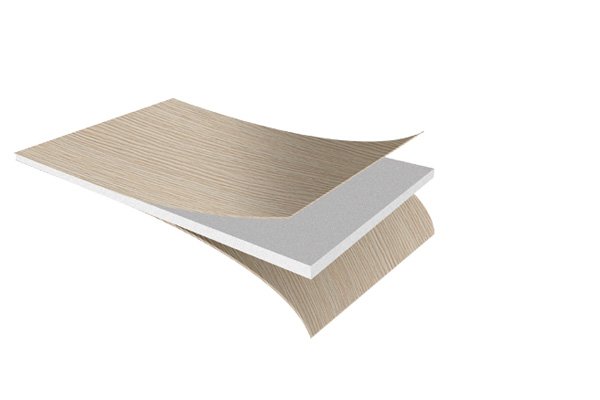
Choosing the correct HPL (High Pressure Laminate) thickness is essential for ensuring durability, aesthetics, installation efficiency, and long-term performance. Whether you’re designing furniture, wall panels, countertops, healthcare facilities, or commercial interiors, selecting the right thickness helps optimize both functionality and cost.
Many buyers assume that thicker HPL always means better quality. In reality, the ideal thickness depends on the application, installation method, and whether you’re using decorative HPL or compact HPL.
This guide explains standard HPL thicknesses, their typical applications, and practical recommendations to help you make the right choice for your project.
HPL Thickness Chart
The table below provides a quick overview of common HPL thicknesses and their recommended applications.
| HPL Thickness | HPL Type | Typical Applications |
|---|---|---|
| 0.6 mm | Decorative HPL | Cabinet doors, wardrobes, office furniture |
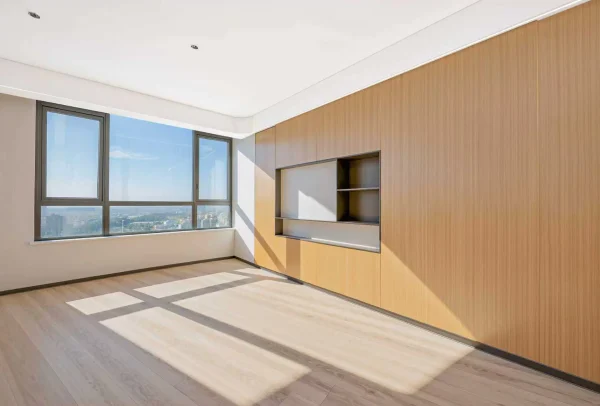
| 0.8 mm | Decorative HPL | Wall cladding, furniture panels, retail interiors |
| 1.0 mm | Decorative HPL | Countertops, desktops, laboratory worktops |
| 2–4 mm | Compact HPL | Decorative wall panels, lockers, furniture components |
| 6–8 mm | Compact HPL | Interior wall systems, partitions, cubicles |
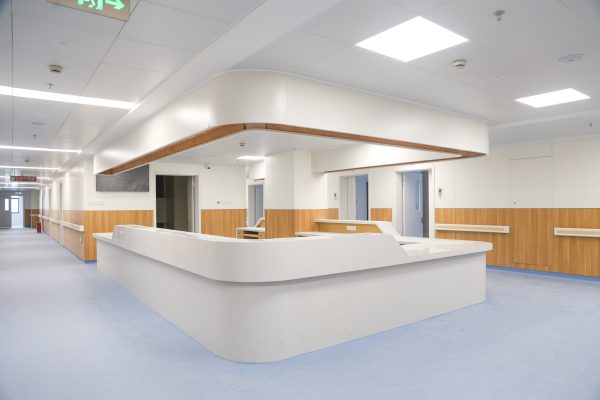
| 10–12 mm | Compact HPL | Toilet partitions, laboratory furniture, healthcare facilities |
| 13–25 mm | Compact HPL | Heavy-duty worktops, benches, industrial applications |
Tip: Decorative HPL is bonded to a substrate such as MDF, plywood, or particle board, while compact HPL is self-supporting and does not require a backing board.
Why HPL Thickness Matters
HPL thickness influences much more than appearance. It directly affects the panel’s performance, installation method, and project budget.
Selecting the appropriate thickness helps achieve:
- Better impact resistance
- Improved structural stability
- Easier installation
- Lower material costs
- Longer service life
- Optimal weight for transportation and handling
However, thickness alone does not determine scratch resistance, fire performance, or surface durability. These properties primarily depend on the laminate’s surface layer, manufacturing process, and material quality.
Standard Decorative HPL Thickness
REXIN Classic HPL (1.0 mm)
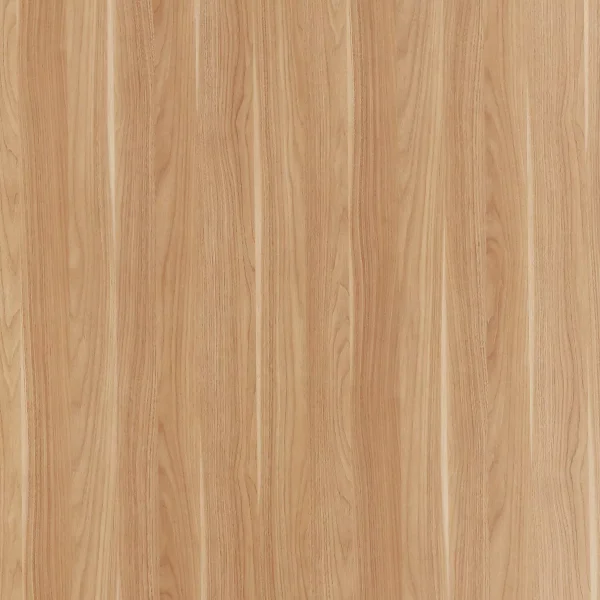
At REXIN, our Classic HPL Collection is manufactured in 1.0 mm, making it an ideal choice for high-quality decorative applications. The panels are designed to be bonded to substrates such as MDF, plywood, or particleboard, delivering excellent durability, scratch resistance, and long-lasting aesthetics.
Typical applications include:
- Kitchen countertops
- Office desktops
- Hotel furniture
- Retail fixtures
- Interior wall cladding
- Reception counters
- Cabinets and wardrobes
The 1.0 mm thickness provides an excellent balance between durability, workability, and cost, making it one of the most popular specifications for commercial interiors.



Standard Compact HPL Thickness
REXIN Compact Collection
REXIN’s Compact Collection is available in four standard thicknesses:
| Thickness | Recommended Applications |
|---|---|
| 6 mm | Interior wall panels, furniture components, decorative partitions |
| 8 mm | Lockers, commercial wall systems, educational facilities |
| 10 mm | Toilet partitions, changing rooms, healthcare facilities |
| 12 mm | Laboratory furniture, heavy-duty worktops, high-traffic commercial environments |
Unlike decorative HPL, Compact HPL is self-supporting and does not require a substrate, making it suitable for demanding environments where strength, moisture resistance, and impact resistance are essential.



While thickness is an important consideration, it’s equally important to understand the differences between decorative HPL and compact HPL. Although both are manufactured using high-pressure laminate technology, they differ in structure, installation methods, and intended applications. Read our guide on Decorative HPL vs Compact HPL to learn which material is best suited for your project.
Recommended REXIN Products by Thickness
Choosing the right HPL is easier when you match the thickness to your application.
| Application | Recommended Product | Thickness |
|---|---|---|
| Cabinets & Furniture | REXIN Classic HPL Collection | 1.0 mm |
| Countertops | REXIN Classic HPL Collection | 1.0 mm |
| Decorative Wall Cladding | REXIN Classic HPL Collection | 1.0 mm |
| Interior Wall Systems | REXIN Compact Collection | 6 mm / 8 mm |
| Toilet Partitions | REXIN Compact Collection | 10 mm |
| Laboratory Furniture | REXIN Compact Collection | 12 mm |
Decorative HPL vs Compact HPL Thickness
| Feature | Decorative HPL | Compact HPL |
| Typical Thickness | 0.6–1.0 mm | 2–25 mm |
| Requires Substrate | Yes | No |
| Self-Supporting | No | Yes |
| Weight | Lightweight | Heavier |
| Typical Applications | Furniture, cabinets, wall panels | Toilet partitions, lockers, laboratory furniture, wall systems |
Frequently Asked Questions
What thickness of HPL is best for walls?
For decorative wall cladding, 0.8–1.0 mm decorative HPL is the most common choice because it is bonded to a substrate. For self-supporting wall systems or high-impact commercial spaces, 4–8 mm compact HPL is typically recommended.
What is the best HPL thickness for furniture?
Most furniture applications use 0.6 mm or 0.8 mm decorative HPL. For high-traffic office furniture, reception desks, or work surfaces, 1.0 mm provides additional durability.
What thickness of HPL is recommended for countertops?
1.0 mm decorative HPL is widely used for countertops laminated onto a substrate. Where a self-supporting or heavy-duty surface is required, 10–12 mm compact HPL is often the preferred solution.
Is thicker HPL always more durable?
No. Thicker HPL offers greater structural strength, but wear resistance, scratch resistance, and fire performance depend primarily on the laminate’s surface quality and manufacturing process.
What is the standard thickness of decorative HPL?
The most common decorative HPL thicknesses are 0.6 mm, 0.8 mm, and 1.0 mm, depending on the application and performance requirements.
What is the standard thickness of compact HPL?
Compact HPL is commonly available in 2 mm to 25 mm, with 10 mm and 12 mm being among the most popular choices for commercial projects.
Can 0.8 mm HPL be used for wall cladding?
Yes. When bonded to a suitable substrate, 0.8 mm decorative HPL is one of the most commonly specified materials for interior wall cladding in hospitals, hotels, offices, schools, and retail spaces.
How do I choose between decorative HPL and compact HPL?
Choose decorative HPL when the laminate will be bonded to a substrate such as MDF or plywood. Choose compact HPL when a self-supporting panel with higher structural strength is required, such as toilet partitions, lockers, laboratory furniture, or commercial wall systems.
Conclusion
Selecting the correct HPL thickness is not about choosing the thickest panel—it’s about matching the material to the application. Decorative HPL in 0.6–1.0 mm is ideal for furniture, cabinets, and wall cladding when bonded to a substrate, while compact HPL from 2–25 mm provides self-supporting strength for demanding commercial and institutional environments.
At REXIN, we offer a comprehensive range of decorative and compact HPL solutions in various thicknesses, colors, finishes, and performance grades to meet the needs of hotels, healthcare facilities, schools, offices, laboratories, and other commercial projects.
If you’re unsure which HPL thickness is right for your application, our technical team is ready to help you select the best solution.
Contact us: Export@rexinhpl.com