When choosing decorative panels for furniture, cabinets, interiors, and architectural applications, HPL (High Pressure Laminate) and TFL (Thermally Fused Laminate) are two commonly considered materials. Although both offer attractive decorative finishes, they differ in their manufacturing process, durability, and ideal applications.
Understanding the differences between HPL and TFL can help architects, designers, and manufacturers select the right material for each project.
What Is HPL?
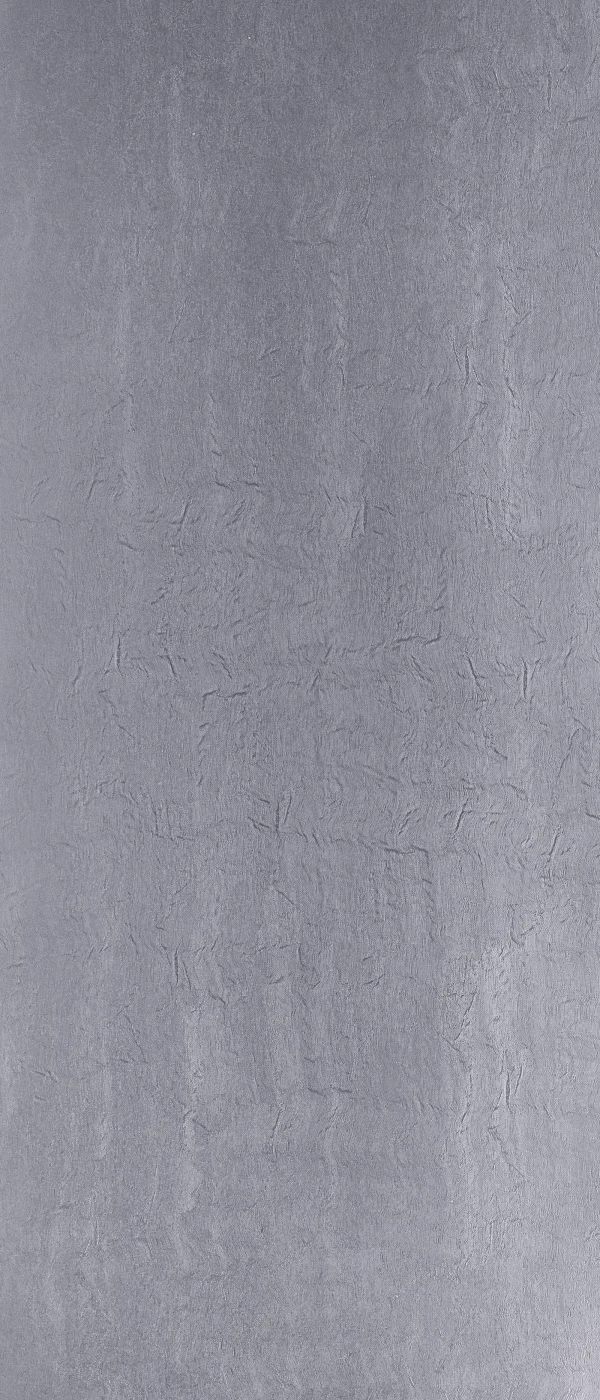
High Pressure Laminate (HPL) is a durable decorative surface material made by pressing multiple layers of kraft paper and decorative paper under high temperature and high pressure. The final product features a strong, wear-resistant surface that can be bonded to substrates such as plywood, MDF, or particle board.
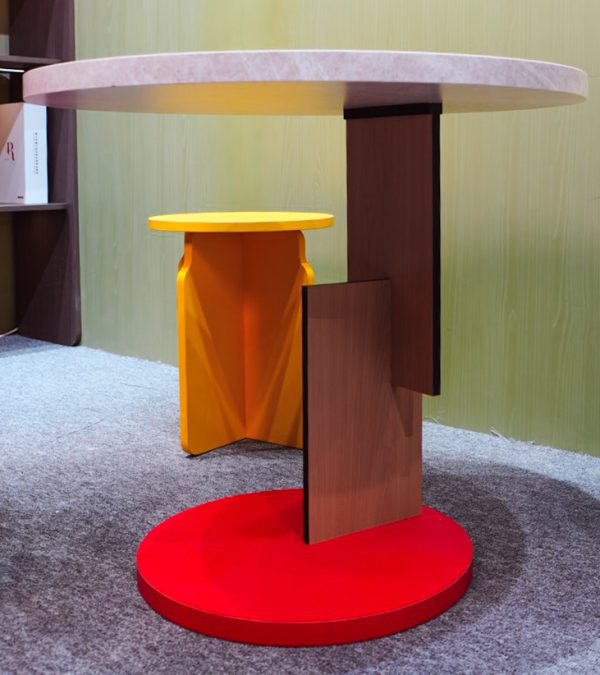
HPL is widely used for applications requiring high durability, including countertops, wall panels, furniture surfaces, doors, and exterior-grade applications.
What Is TFL?
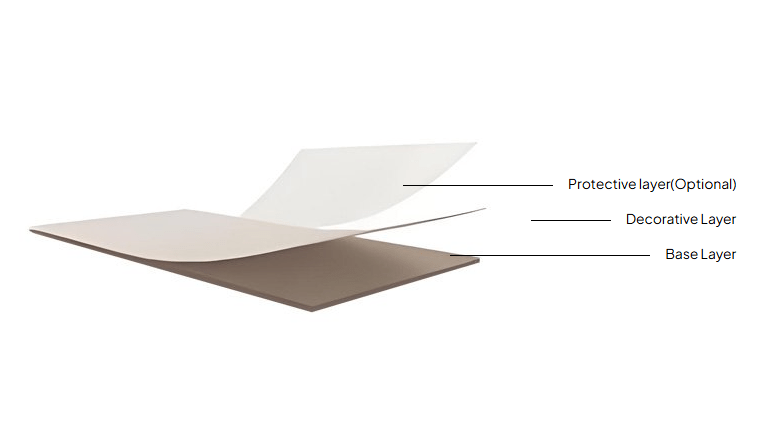
Thermally Fused Laminate (TFL) is produced by directly fusing decorative paper with a resin-coated substrate, typically MDF or particle board, using heat and pressure. Unlike HPL, TFL does not require a separate lamination process.
TFL is commonly used in furniture manufacturing, cabinets, office systems, and interior panels where cost efficiency and consistent appearance are important.
Key Differences Between HPL and TFL
| Feature | HPL | TFL |
|---|---|---|
| Manufacturing Process | Multiple layers pressed under high pressure and temperature, then bonded to a substrate | Decorative paper fused directly onto the substrate |
| Durability | Higher resistance to impact, scratches, heat, and moisture | Good durability for general interior applications |
| Surface Performance | Excellent wear resistance and long service life | Suitable for moderate-use environments |
| Application | Countertops, wall cladding, commercial interiors, furniture, doors | Cabinets, office furniture, residential furniture |
| Cost | Generally higher | More cost-effective |
| Design Options | Wide range of textures, finishes, and patterns | Wide range of decorative designs |
Advantages of HPL
1. Higher Durability
HPL provides a harder and more resistant surface compared with TFL. It performs well in high-traffic environments where surfaces are exposed to frequent contact, impact, and abrasion.
2. Better Moisture and Heat Resistance
Due to its dense structure, HPL offers better resistance to moisture, heat, and daily wear, making it suitable for demanding applications such as kitchen countertops, commercial spaces, and wall surfaces.
3. More Flexible Applications
HPL can be applied to different substrates and is available in various thicknesses and finishes, making it suitable for both functional and decorative projects.

Advantages of TFL
1. Cost-Effective Solution
TFL is an economical choice for large-scale furniture and interior projects where budget efficiency is a priority.
2. Consistent Appearance
Because the decorative layer is directly fused to the board, TFL provides a uniform finish that is ideal for mass-produced furniture and cabinetry.
3. Efficient Production
TFL simplifies manufacturing processes, making it a popular choice for furniture manufacturers producing large quantities of panels.
Which One Should You Choose: HPL or TFL?
The choice between HPL and TFL depends on the requirements of your project.
- Choose HPL when you need higher durability, better impact resistance, and long-term performance in demanding environments.
- Choose TFL when you need an affordable decorative panel solution for standard interior furniture and cabinetry.
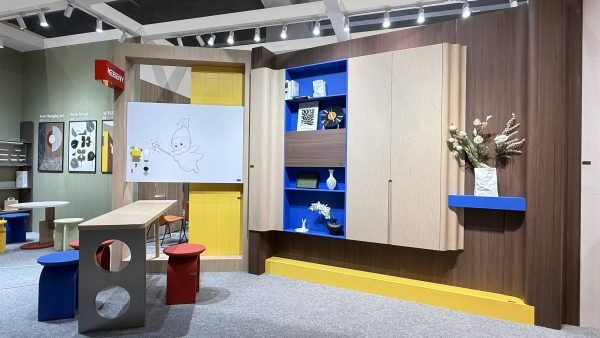
For commercial buildings, hospitality projects, healthcare facilities, and high-use areas, HPL is often preferred due to its superior performance. For residential furniture and large-volume interior applications, TFL can provide a practical and cost-effective option.
Conclusion
Both HPL and TFL are valuable decorative surface materials, but they serve different purposes. HPL offers superior durability and versatility, while TFL provides an efficient and economical solution for interior applications. Selecting the right material depends on factors such as usage environment, performance requirements, design expectations, and budget.
For high-performance decorative surfaces and architectural applications, REXIN provides premium HPL solutions designed to meet the needs of modern interior and exterior projects. For inquires, please contact Export@rexinhpl.com.