
Kitchen countertops are more than just work surfaces—they are a major design element that influences the overall appearance, functionality, and value of your kitchen. Whether you’re remodeling an existing space or designing a new kitchen from scratch, customizing your countertops allows you to create a unique environment that reflects your style and meets your daily needs.
From selecting materials and colors to choosing edge profiles and integrated features, there are numerous ways to personalize your kitchen countertops. This guide explores the key factors to consider when customizing countertops for a kitchen that is both beautiful and practical.
Step 1: Choose the Right Countertop Material
The material is the foundation of any countertop customization project. Each option offers different aesthetics, performance characteristics, and maintenance requirements.
High-Pressure Laminate (HPL)
HPL countertops are increasingly popular due to their affordability, versatility, and modern appearance.
Benefits include:
- Wide variety of colors and patterns
- Realistic stone and wood finishes
- Easy maintenance
- Moisture and stain resistance
- Cost-effective compared to natural stone
Modern HPL surfaces can closely replicate premium materials while providing excellent durability for everyday use.
Quartz
Quartz countertops offer:
- Consistent appearance
- Non-porous surface
- Excellent stain resistance
- Minimal maintenance
They are ideal for homeowners seeking a luxurious and durable countertop solution.
Granite
Granite remains a favorite for its natural beauty and unique patterns.
Advantages include:
- Heat resistance
- Distinctive appearance
- Long lifespan
- Increased home value
Solid Surface Materials
Solid surface countertops provide:
- Seamless installation
- Repairable surfaces
- Integrated sinks
- Modern design flexibility
Step 2: Select Colors and Patterns
Color selection significantly impacts the overall atmosphere of your kitchen.
Light-Colored Countertops
Popular choices include:
- White marble-look finishes
- Light gray stone patterns
- Beige and cream tones
Benefits:
- Make kitchens appear larger
- Reflect natural light
- Create a clean and modern aesthetic
Dark-Colored Countertops
Options include:
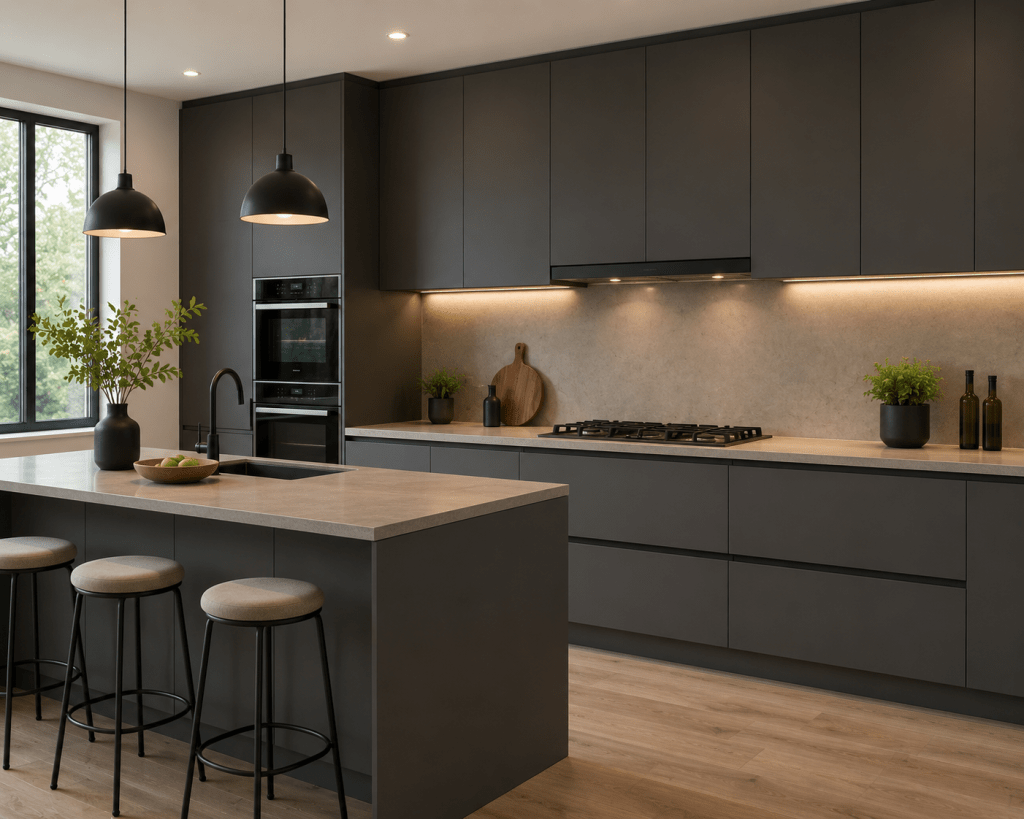
- Charcoal gray
- Black stone effects
- Deep woodgrain finishes
Benefits:
- Add sophistication
- Create dramatic contrast
- Pair well with light cabinetry
Natural Wood Designs
Wood-inspired countertops bring warmth and comfort to contemporary and traditional kitchens alike.
Popular finishes include:
- Oak
- Walnut
- Ash
- Rustic wood textures

Step 3: Customize Edge Profiles
The edge profile can dramatically influence the final appearance of your countertop.
Square Edge
A sleek, modern choice suitable for minimalist kitchens.
Beveled Edge
Features angled corners that add subtle visual interest.
Bullnose Edge
Rounded edges create a softer appearance and improve safety for households with children.
Waterfall Edge
A premium design where the countertop extends vertically down the sides of cabinets, creating a striking architectural feature.
Step 4: Incorporate Functional Features
Modern countertop customization goes beyond aesthetics.
Integrated Sinks
Seamless sink integration creates a clean appearance and simplifies cleaning.
Built-In Drain Areas
Perfect for kitchens with heavy daily use.
Extended Breakfast Bars
Adding an overhang can transform countertops into casual dining or social gathering areas.
Work Zones
Customize countertop sections for specific tasks:
- Food preparation
- Baking
- Coffee stations
- Appliance storage
Step 5: Coordinate with Cabinets and Backsplashes
A customized countertop should complement the entire kitchen design.
Modern Kitchens
Popular combinations include:
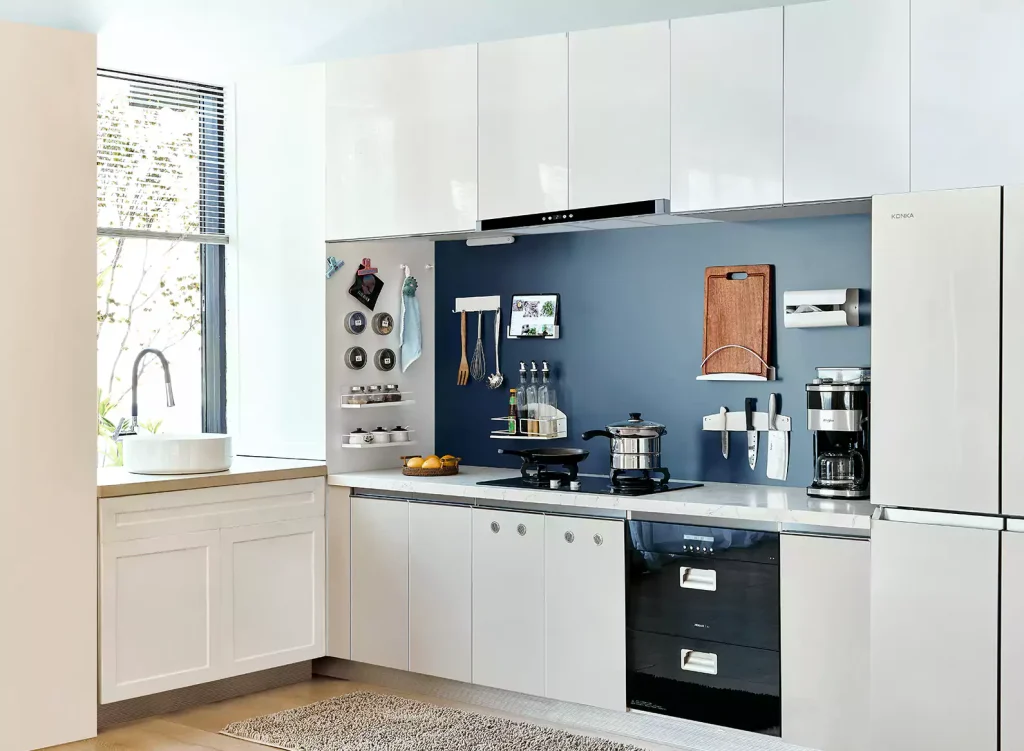
- White cabinets with marble-look countertops
- Matte black cabinets with stone-effect surfaces
- Gray cabinetry with concrete-inspired countertops
Traditional Kitchens
Common pairings include:
- Wood cabinets with warm-toned countertops
- Cream cabinets with natural stone patterns
Contemporary Designs
Minimalist kitchens often feature:
- Clean lines
- Neutral colors
- Seamless countertop-to-backsplash transitions
Step 6: Consider Surface Finish Options
The finish affects both appearance and performance.
Matte Finish
Advantages:
- Modern look
- Reduced glare
- Better at hiding fingerprints
Gloss Finish
Advantages:
- Reflects light
- Creates a polished appearance
- Enhances color depth
Textured Finish
Benefits:
- Natural feel
- Improved visual depth
- Unique tactile experience
Step 7: Focus on Durability and Maintenance
Customization should balance style with long-term practicality.
Consider:
- Heat resistance
- Scratch resistance
- Moisture resistance
- Stain resistance
- Ease of cleaning
High-quality HPL countertops are particularly valued for combining attractive designs with low maintenance requirements, making them an excellent choice for busy households.
Conclusion
Customizing your kitchen countertops is one of the most effective ways to improve both the appearance and functionality of your kitchen. By carefully selecting materials, colors, edge profiles, finishes, and integrated features, you can create a countertop solution that perfectly matches your lifestyle and design preferences.
For high-quality HPL countertop materials, decorative surfaces, and customized solutions, contact REXIN HPL at Export@rexinhpl.com. Their experienced team can help you find the ideal countertop surface for residential and commercial projects alike.