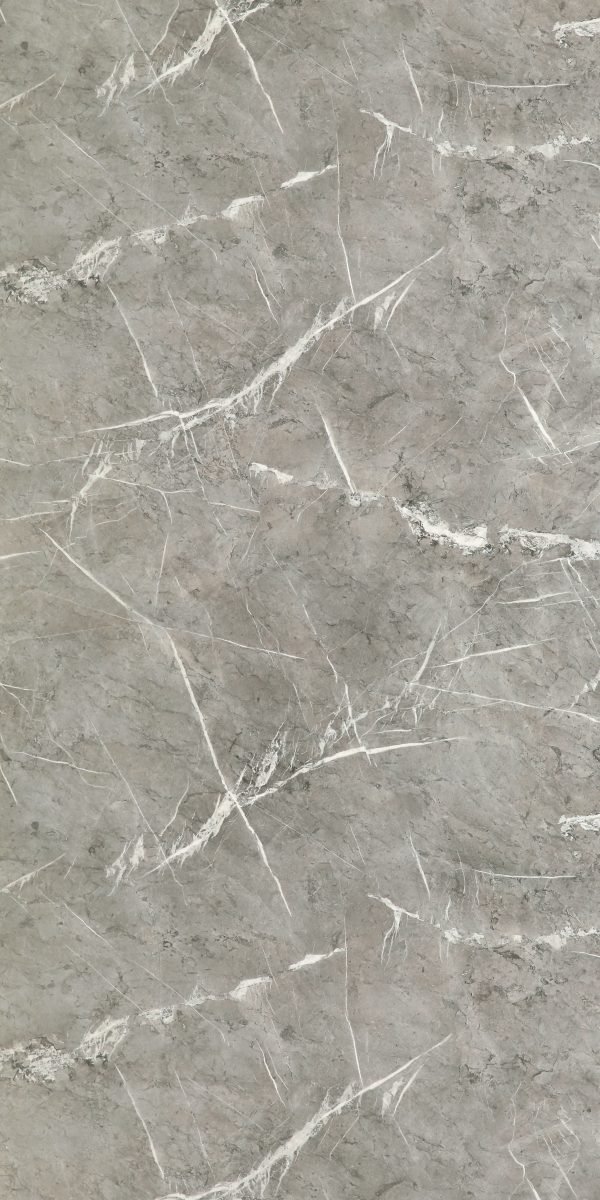
Laminate countertops are popular for kitchens, bathrooms, and commercial spaces because they are durable, affordable, and available in a wide range of colors and patterns. However, over time, laminate surfaces may become discolored due to prolonged exposure to sunlight, heat, stains, harsh cleaners, or everyday wear.
While severe damage may require replacement, many cases of laminate discoloration can be improved with proper cleaning, maintenance, or surface restoration methods.
1. Identify the Cause of Discoloration
Before repairing a discolored laminate countertop, it is important to understand the reason behind the color change.
Common causes include:
- Stains: Coffee, tea, wine, grease, and other substances may leave marks if not cleaned promptly.
- UV Exposure: Long-term exposure to direct sunlight can cause fading, especially near windows.
- Heat Damage: Hot cookware or appliances placed directly on the surface may create yellowing or dark spots.
- Chemical Damage: Strong cleaners, bleach, or abrasive products can affect the laminate finish.
- Aging and Wear: Older laminate surfaces may naturally lose their original appearance over time.
Identifying the cause helps determine the most effective repair method.
2. Clean the Surface Thoroughly
For mild discoloration caused by dirt or stains, deep cleaning may restore the original appearance.
Recommended cleaning steps:
- Remove loose dust and debris with a soft cloth.
- Clean the surface with warm water and a mild detergent.
- Use a non-abrasive sponge to gently remove stubborn marks.
- Rinse with clean water and dry completely.
Avoid using steel wool, abrasive powders, or harsh chemicals, as they may further damage the laminate surface.
3. Remove Stubborn Stains Carefully
For persistent stains, a stronger but safe cleaning approach may be needed.
Options include:
- A baking soda and water paste for light stains
- A manufacturer-approved laminate cleaner
- A small amount of alcohol-based cleaner for ink marks
Always test any cleaning product on a hidden area first to ensure it does not affect the laminate finish.
4. Repair Heat or Chemical Discoloration
If the discoloration is caused by heat or chemical exposure, cleaning may not be enough because the decorative layer may have been permanently affected.
Possible solutions include:
- Applying a laminate repair kit for small damaged areas
- Using color-matching touch-up products
- Replacing the damaged laminate sheet for severe cases
For countertops with deep burns, bubbling, peeling edges, or permanent color changes, professional repair or replacement is usually the best option.
5. Consider Refinishing or Replacement
When laminate countertops have extensive fading or outdated colors, refinishing can be an economical alternative to replacement. Surface coatings designed for laminate can provide a refreshed appearance.
However, refinishing is generally a short-term solution. For long-lasting performance, replacing old laminate with a new high-quality HPL surface may provide better durability, design options, and resistance to daily wear.
6. Prevent Future Discoloration
Proper maintenance can help prevent laminate countertops from losing their appearance:
- Clean spills immediately
- Avoid placing hot pans directly on the surface
- Use cutting boards and protective mats
- Avoid harsh chemical cleaners
- Limit prolonged direct sunlight exposure
- Follow recommended laminate care instructions
Choose Durable HPL for Long-Lasting Countertops
High-Pressure Laminate (HPL) is engineered to provide excellent resistance against stains, scratches, impact, and everyday use. With proper maintenance, HPL countertops can maintain their decorative appearance for many years.
REXIN HPL offers high-quality decorative laminate solutions for kitchens, furniture, commercial interiors, and architectural applications. With advanced manufacturing technology and a wide selection of designs, REXIN HPL helps create durable and stylish surfaces for modern spaces. For inquiries and samples, please contact Export@rexinhpl.com.