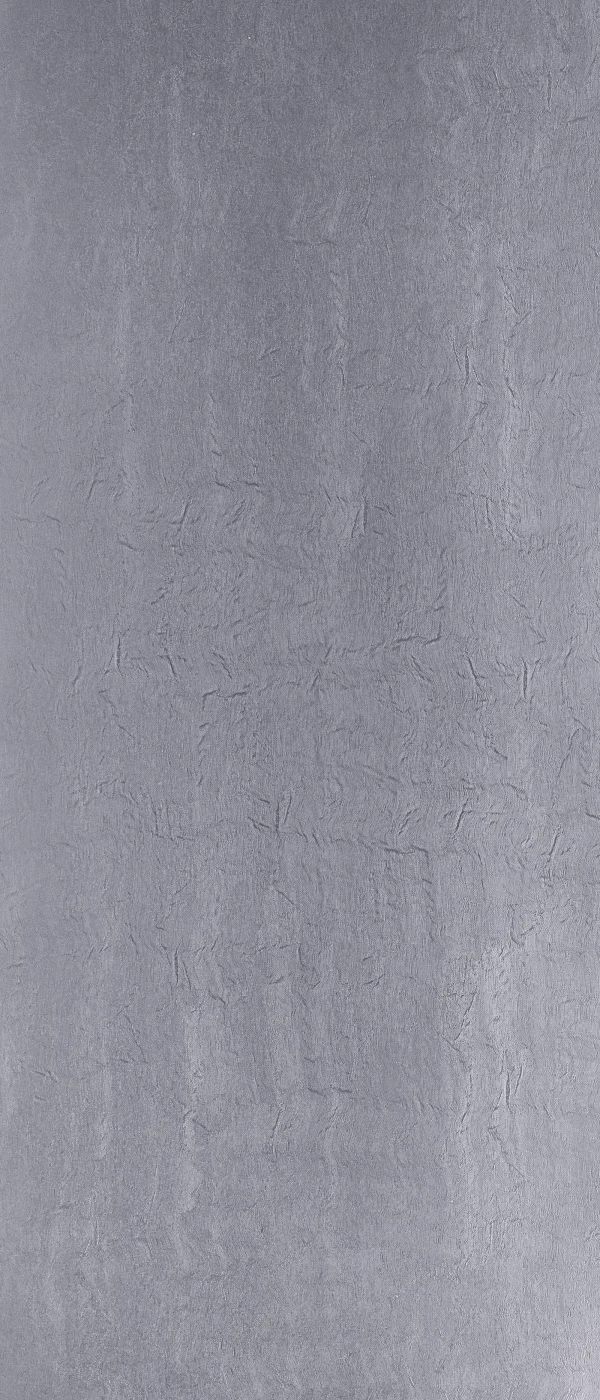
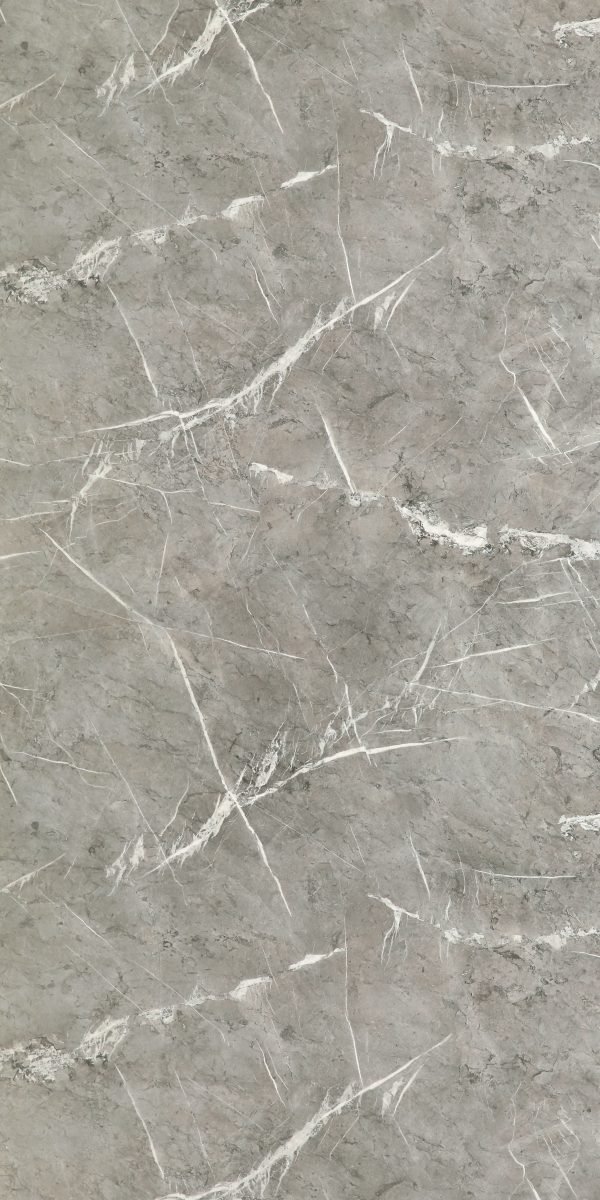
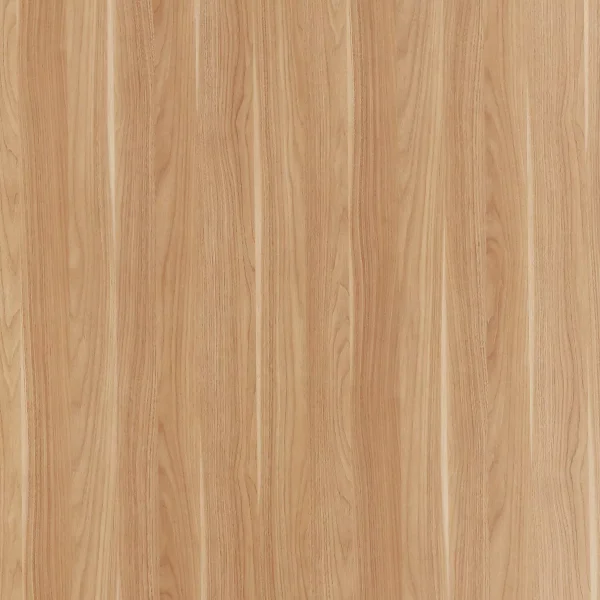
Compact Laminate is a high-performance decorative panel material known for its excellent strength, moisture resistance, and durability. Unlike standard HPL, which is usually bonded onto a substrate such as MDF or plywood, compact laminate is a self-supporting solid panel made by compressing multiple layers of kraft paper and decorative paper under high pressure and temperature.
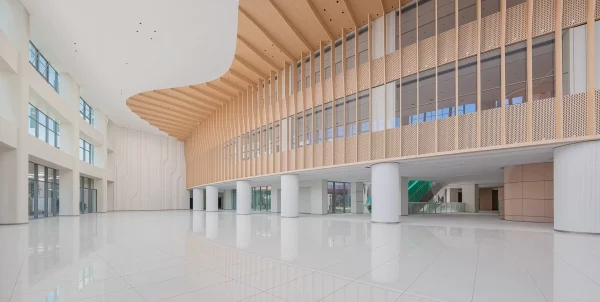
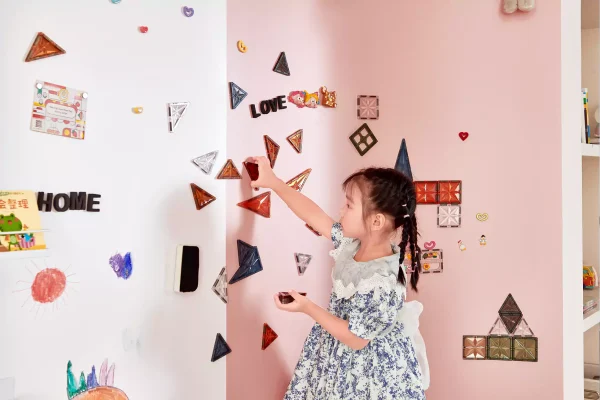
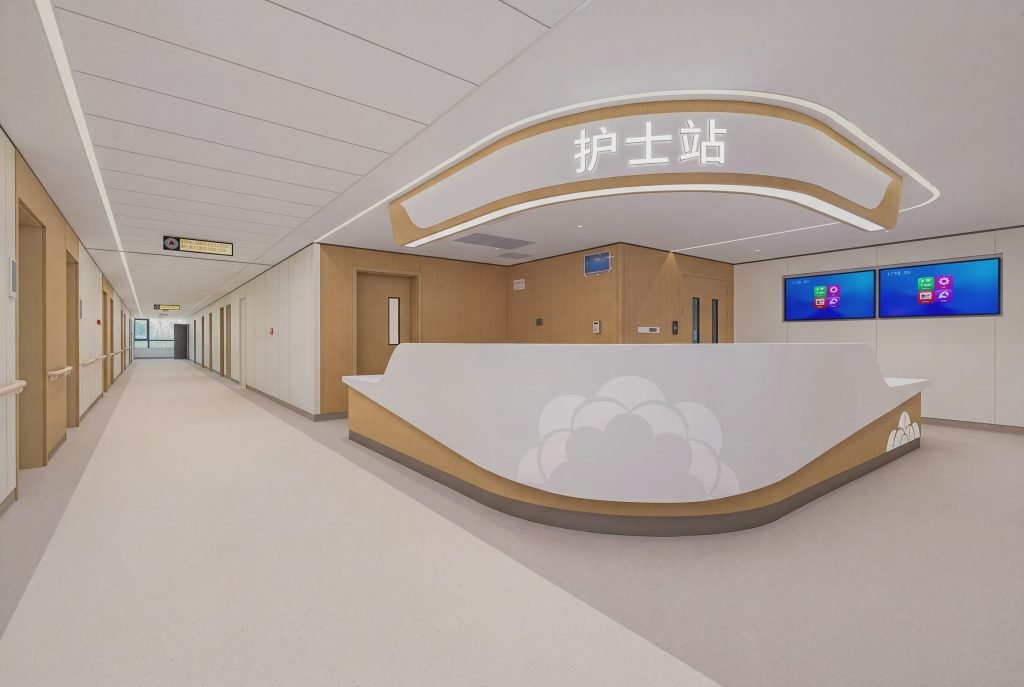
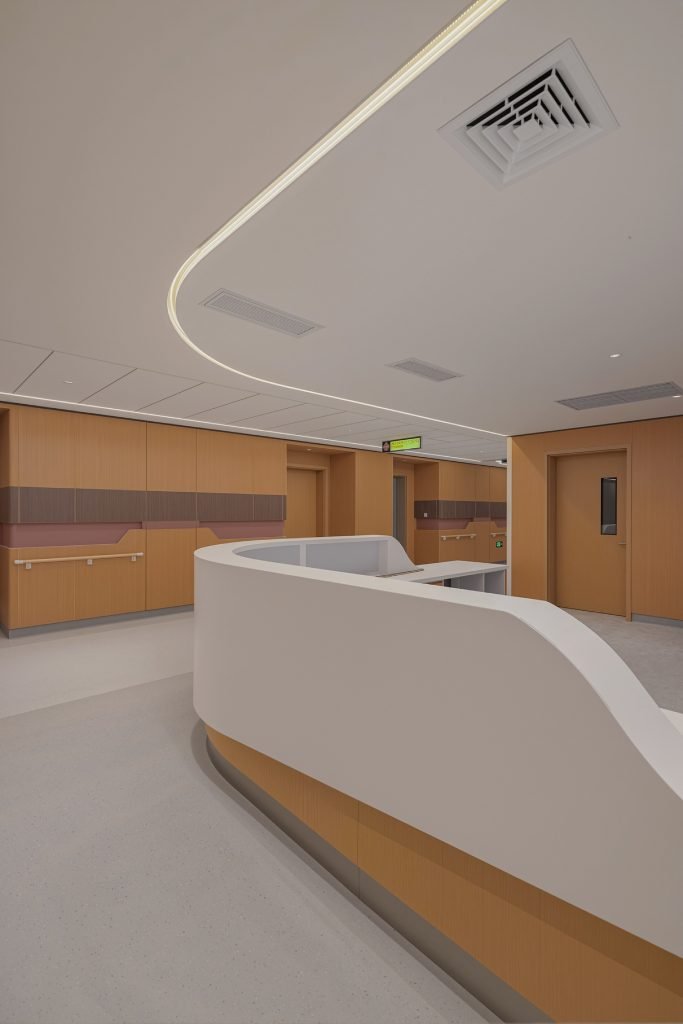
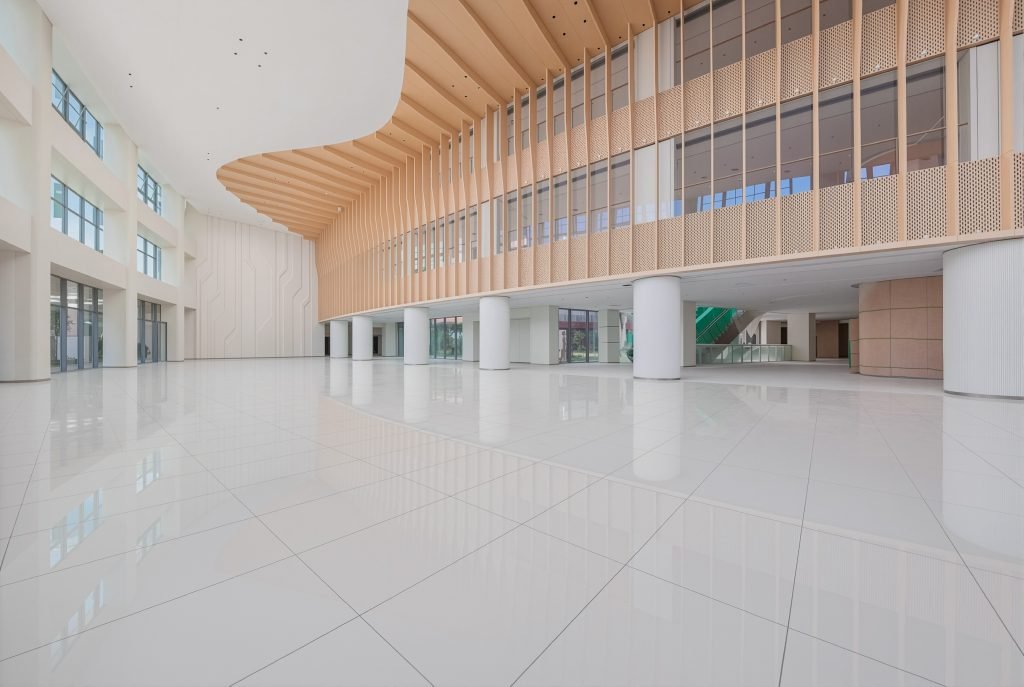
Because of its dense structure and outstanding performance, compact laminate is widely used in demanding environments such as bathrooms, hospitals, schools, laboratories, and commercial buildings.
What Is Compact Laminate?
Compact laminate is manufactured by impregnating multiple layers of kraft paper with phenolic resin and combining them with decorative papers treated with melamine resin. These layers are pressed together under high temperature and high pressure to form a thick, strong panel.
The final product has:
- A solid core structure
- High mechanical strength
- Excellent moisture resistance
- A durable decorative surface
Compact laminate panels are typically available in thicknesses from around 3 mm to 25 mm, depending on application requirements.


Compact Laminate vs HPL: What Is the Difference?
Although compact laminate and HPL are closely related, they are not exactly the same.
| Feature | Compact Laminate | Standard HPL |
|---|---|---|
| Structure | Solid decorative panel with multiple kraft layers | Thin decorative surface laminate |
| Core | Built-in structural core | Requires substrate support |
| Thickness | Usually thicker (3–25 mm) | Usually 0.5–1.5 mm |
| Strength | Higher mechanical strength | Depends on substrate |
| Moisture Resistance | Excellent | Depends on substrate and installation |
| Installation | Can be used as a self-supporting panel | Must be bonded to a base material |
| Applications | Partitions, lockers, countertops, exterior applications | Furniture surfaces, wall panels, cabinets |
In simple terms:
HPL is a decorative surface material, while compact laminate is a structural panel material.
Key Advantages of Compact Laminate
1. Excellent Moisture Resistance
One of the biggest advantages of compact laminate is its ability to perform in humid environments.
It is highly resistant to:
- Water absorption
- Humidity
- Steam
- Frequent cleaning
This makes it ideal for wet-area applications where traditional wood-based panels may not perform well.
2. High Impact and Scratch Resistance
Compact laminate has a dense core structure that provides excellent resistance against:
- Impact
- Scratches
- Daily wear
- Heavy use
It is suitable for public spaces where durability is a priority.
3. Easy to Clean and Maintain
The non-porous surface of compact laminate prevents dirt and stains from easily penetrating the material.
Benefits include:
- Simple daily cleaning
- Good hygiene performance
- Reduced maintenance costs
For this reason, compact laminate is commonly used in healthcare, education, and hospitality environments.
4. Wide Range of Decorative Options
Compact laminate is available in various designs, including:
- Wood grains
- Stone patterns
- Solid colors
- Metallic finishes
- Custom designs
Designers can combine durability with attractive aesthetics to create functional and visually appealing interiors.
Common Applications of Compact Laminate
Toilet Cubicles and Bathroom Partitions
Compact laminate is one of the most popular materials for:
- Toilet partitions
- Shower cubicles
- Changing room partitions
Its moisture resistance and easy cleaning make it suitable for high-humidity environments.
Lockers and Storage Systems
Compact laminate lockers are widely used in:
- Schools
- Gyms
- Swimming pools
- Sports facilities
- Industrial buildings
Countertops and Work Surfaces
Due to its strength and chemical resistance, compact laminate is used for:
- Laboratory surfaces
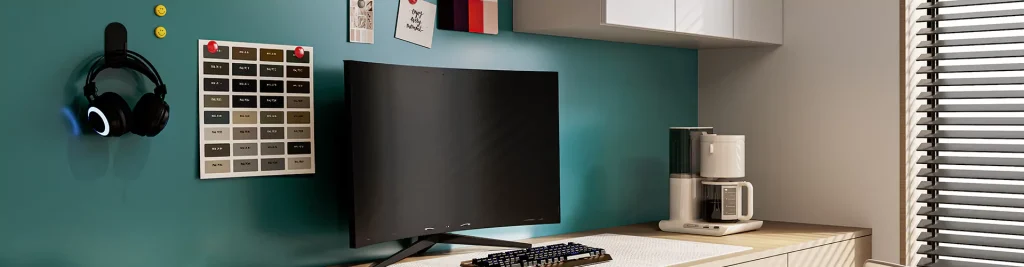
- Kitchen countertops
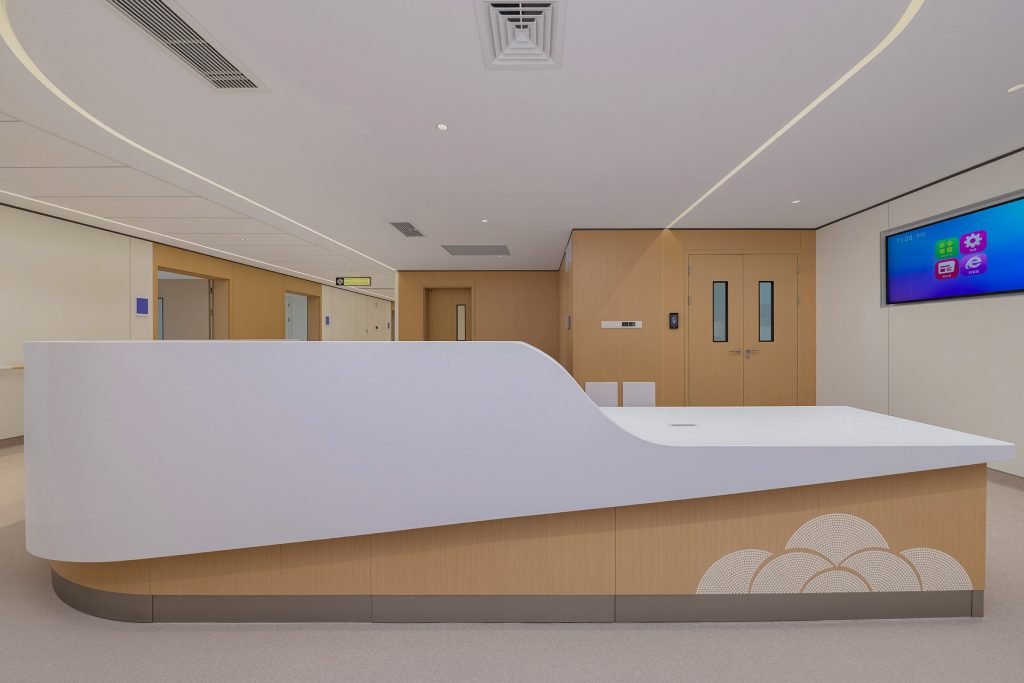
- Reception counters
- Commercial workstations
Wall Panels and Interior Decoration
Compact laminate can also be used for:
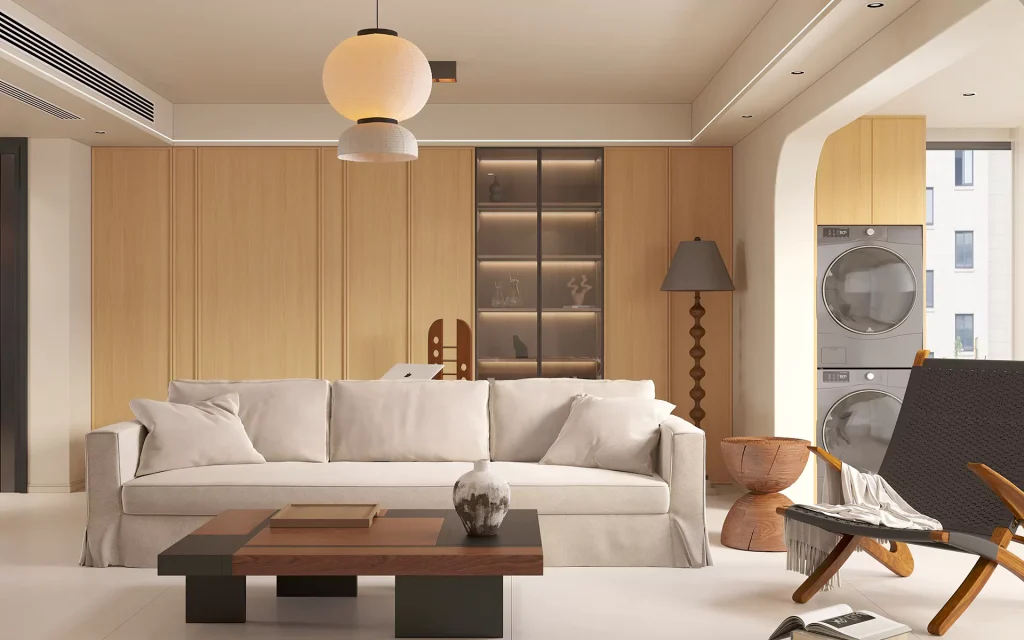
- Interior wall panels
- Decorative partitions
- High-traffic areas

Is Compact Laminate Suitable for Outdoor Use?
Standard compact laminate is mainly designed for interior applications. However, specially manufactured exterior-grade compact laminate panels can be used for outdoor environments when they are engineered with appropriate weather resistance.
Outdoor compact laminate solutions may be applied to:
- Facade cladding
- Balcony panels
- Exterior decorative elements
The product specification should always match the project environment.
REXIN Compact Laminate Solutions
REXIN provides high-quality compact laminate solutions designed for demanding interior applications. With advanced manufacturing technology, strict quality control, and a wide range of decorative finishes, REXIN compact laminate panels deliver reliable performance for commercial, hospitality, healthcare, and architectural projects. For inquiries and samples, please contact REXIN HPL at Export@rexinhpl.com.