When designing or renovating a building exterior, cladding and siding are two commonly used terms. Both protect buildings from weather conditions and improve exterior appearance, but they are not exactly the same.
Understanding the differences between cladding and siding can help architects, contractors, and property owners choose the right exterior solution based on performance, design, and project requirements.
What Is Exterior Cladding?
Cladding refers to a protective and decorative layer installed over the exterior walls of a building. It acts as a building envelope component that helps protect the structure from moisture, sunlight, wind, and temperature changes.
Cladding can be made from various materials, including:
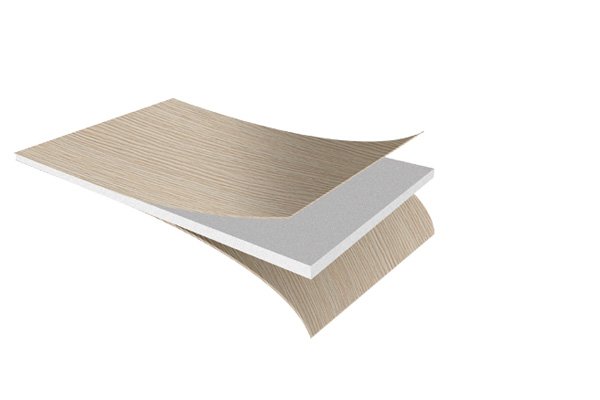
- High-Pressure Laminate (HPL)
- Aluminum
- Fiber cement
- Wood
- Stone
- Composite materials
- Metal panels
Modern architectural cladding focuses not only on protection but also on design flexibility, energy efficiency, and long-term durability.
Common applications include:
- Commercial buildings
- Office towers
- Hotels and resorts
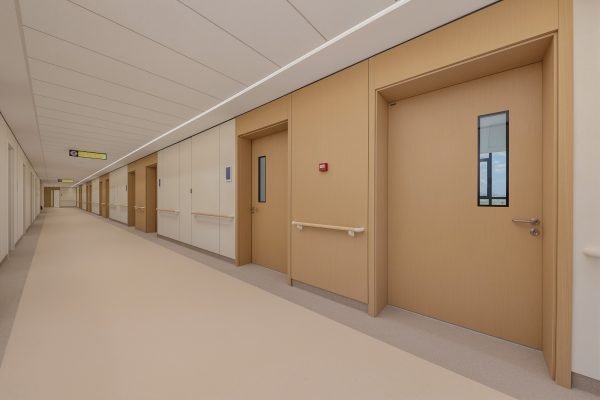
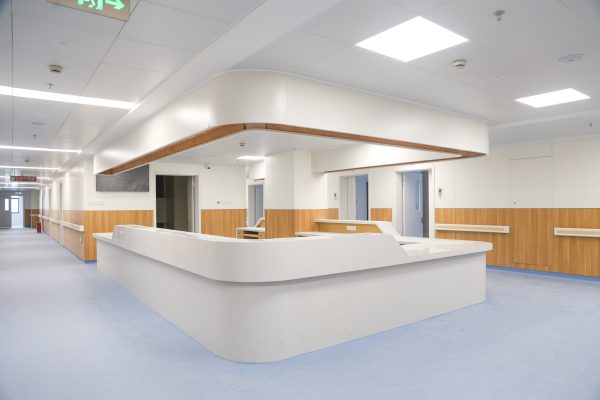
- Schools and hospitals
- Residential developments
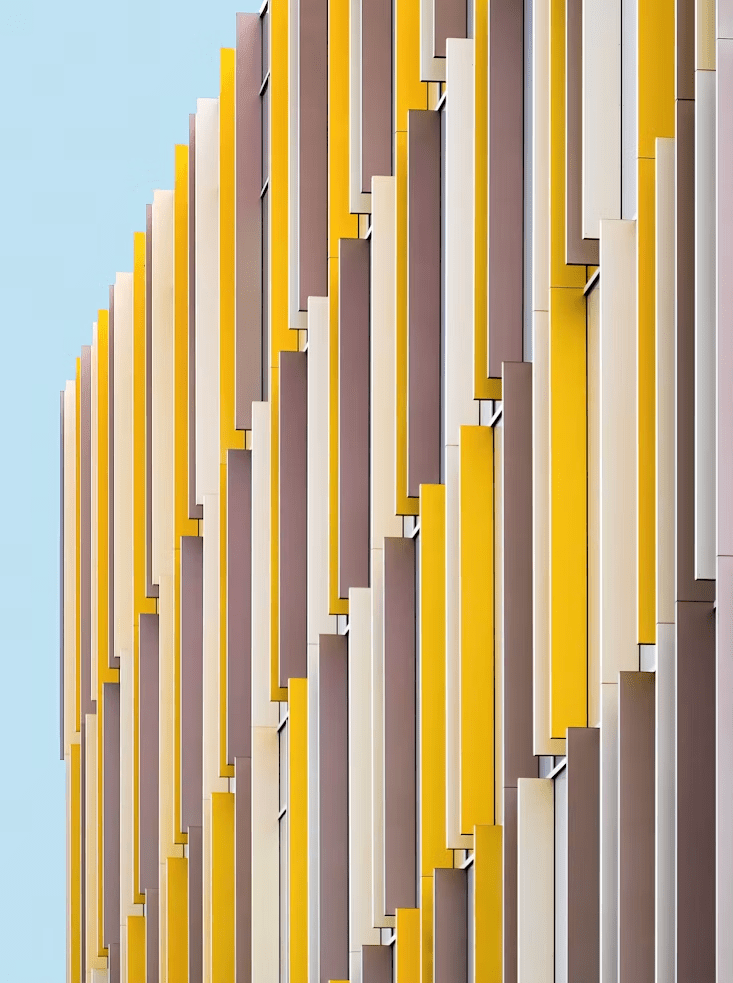
What Is Siding?
Siding is a type of exterior wall covering traditionally used on residential buildings. It is typically installed in overlapping horizontal or vertical panels to protect walls from weather while creating a finished appearance.
Common siding materials include:
- Vinyl siding
- Wood siding
- Fiber cement siding
- Metal siding
- Composite siding
Siding is especially popular in North American residential construction due to its cost-effectiveness and easy installation.
Common applications include:
- Houses
- Townhouses
- Garages
- Small commercial buildings
Cladding vs Siding: Key Differences
| Feature | Cladding | Siding |
|---|---|---|
| Definition | A broad term for exterior wall protection and decoration | A specific type of exterior wall covering |
| Main Purpose | Protection, aesthetics, building performance | Weather protection and exterior finishing |
| Applications | Commercial, residential, and architectural projects | Mainly residential buildings |
| Materials | HPL, aluminum, stone, metal, wood, composites, etc. | Vinyl, wood, fiber cement, metal, composite |
| Design Flexibility | Very high with various textures, colors, and formats | Usually limited to panel styles |
| Durability | Depends on material; many systems offer long service life | Depends on siding material |
| Installation | May require professional systems and substructures | Usually simpler installation |
| Cost | Wide range depending on material and system | Generally more budget-friendly |
Is Siding a Type of Cladding?
Yes. Siding can be considered a type of exterior cladding.
The term cladding is broader and includes almost any material applied to the outside of a building. Siding is one category of cladding, mainly referring to exterior panels used in residential construction.
However, in the construction industry, “cladding” is often used for more advanced facade systems, especially in commercial and high-rise projects.
REXIN HPL Exterior Cladding Solutions
REXIN provides high-quality HPL exterior cladding solutions designed for modern architectural applications. With excellent weather resistance, decorative flexibility, and durable surface performance, REXIN HPL panels are suitable for commercial buildings, public spaces, and residential projects.
For more information about REXIN HPL products, please contact: Export@rexinhpl.com