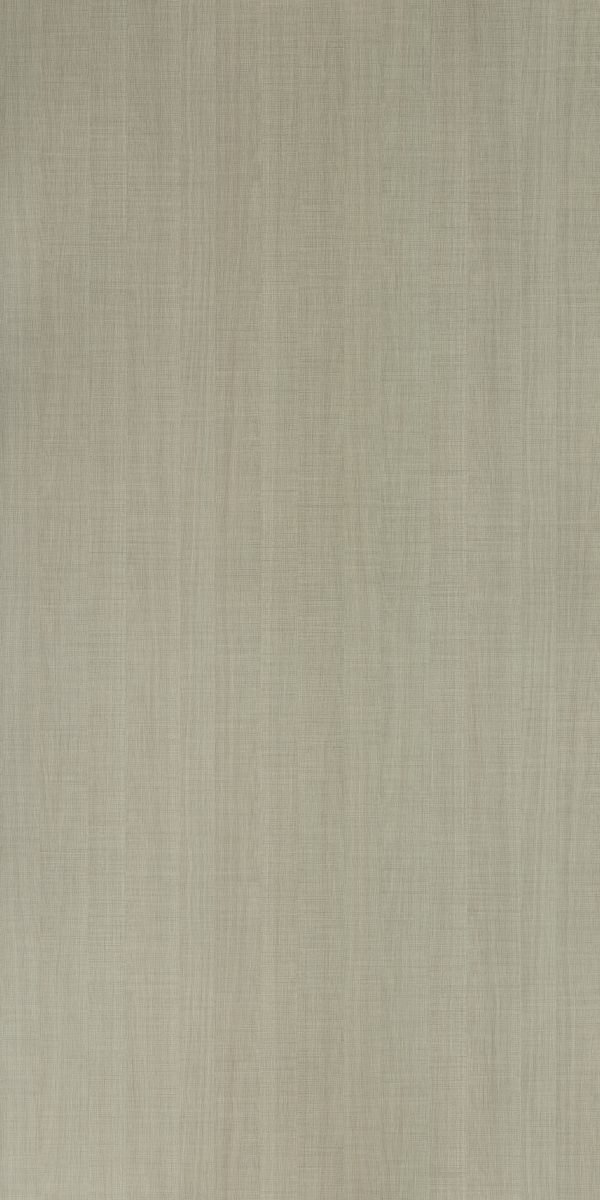
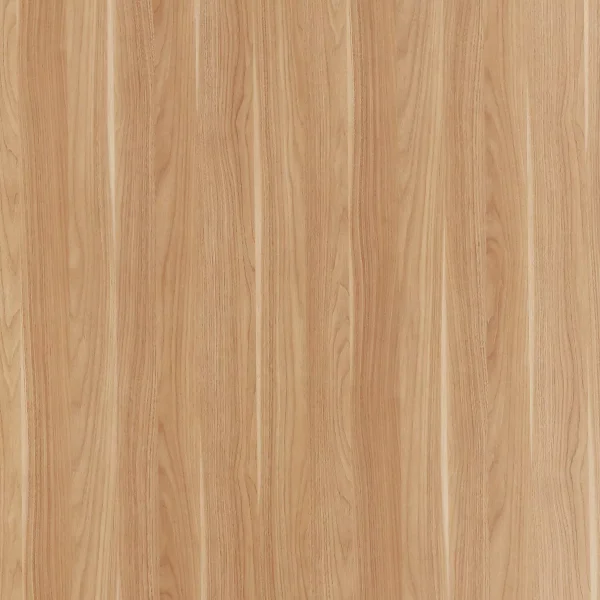
When choosing decorative surface materials for furniture, cabinetry, interior walls, and commercial spaces, HPL, TFL, and melamine are three commonly used options. Although they may look similar, they differ significantly in manufacturing process, durability, applications, and performance.
Understanding the differences can help architects, designers, contractors, and buyers select the right material for their projects.
What Is HPL?
High-Pressure Laminate (HPL) is a durable decorative surface material made by pressing multiple layers of kraft paper, decorative paper, and a protective overlay under high temperature and pressure.
During production, the resin-impregnated layers are compressed at high pressure, creating a dense and highly durable surface with excellent resistance to impact, scratches, heat, moisture, and daily wear.
HPL is widely used for:
- Commercial furniture
- Countertops and work surfaces
- Wall panels
- Office interiors
- Healthcare and hospitality projects
- Exterior applications with specially designed HPL products
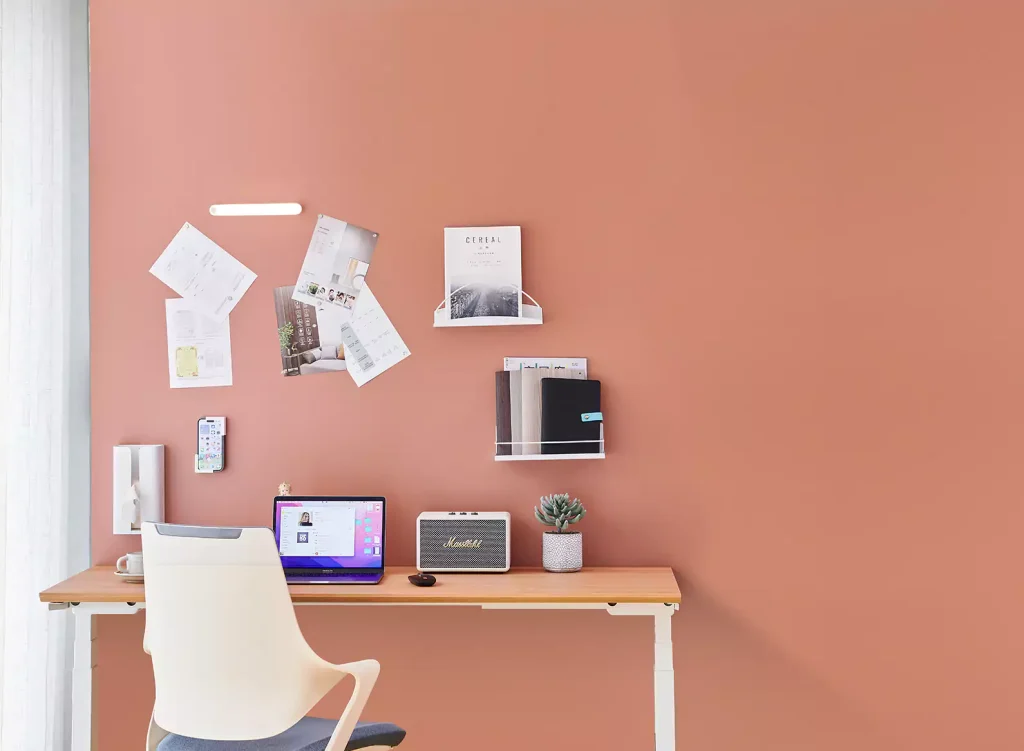

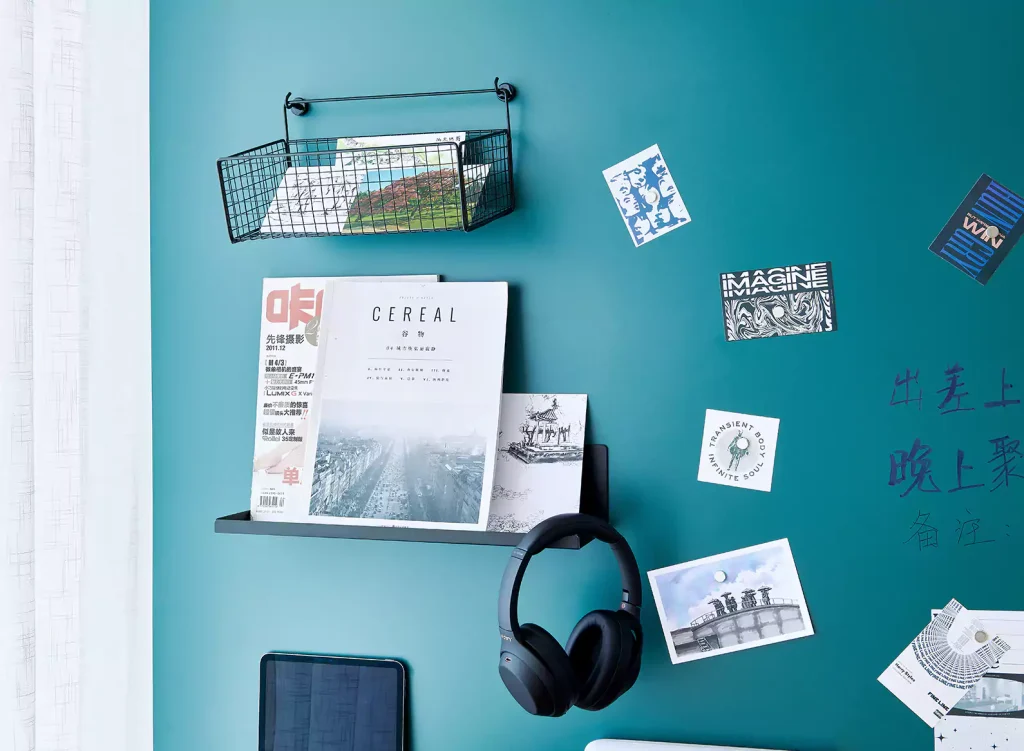
What Is TFL?
Thermally Fused Laminate (TFL), also known as melamine-faced board, is produced by directly fusing decorative paper impregnated with melamine resin onto a substrate such as particleboard or MDF under heat and pressure.
Unlike HPL, TFL does not have separate laminate layers. The decorative surface becomes part of the board during the pressing process.
TFL is commonly used for:
- Office furniture
- Residential cabinets
- Shelving
- Wardrobes
- Interior panels
It offers a cost-effective solution with good appearance and moderate durability.
What Is Melamine?
Melamine usually refers to a melamine resin-based decorative surface or melamine-coated board. In many markets, the term is used interchangeably with TFL, although technically they are not always identical.
Melamine surfaces are created by applying melamine resin-impregnated decorative paper onto a substrate. They provide a smooth decorative finish and are available in various colors, wood grains, and patterns.
Common applications include:
- Kitchen cabinets
- Bedroom furniture
- Office desks
- Storage systems
- Interior decoration
Key Differences Between HPL, TFL, and Melamine
| Feature | HPL | TFL | Melamine |
|---|---|---|---|
| Manufacturing Process | Multiple layers pressed under high pressure | Decorative paper fused directly onto board | Melamine resin-coated decorative surface |
| Durability | Excellent | Good | Moderate to good |
| Scratch Resistance | High | Medium | Medium |
| Impact Resistance | Excellent | Moderate | Moderate |
| Heat Resistance | Higher | Lower than HPL | Moderate |
| Moisture Resistance | Better performance | Depends on substrate | Depends on substrate |
| Design Options | Wide range of colors, textures, and finishes | Wide range of decorative designs | Wide range of patterns |
| Cost | Higher | More economical | Budget-friendly |
| Typical Applications | Commercial, hospitality, healthcare, high-use areas | Furniture and interior panels | Residential and general furniture |
Which One Should You Choose?
The best material depends on your project requirements.
- Choose HPL when you need maximum durability, long service life, and resistance to heavy use. It is ideal for hotels, offices, hospitals, schools, and commercial spaces.
- Choose TFL when you need an affordable decorative solution for furniture and interior applications with moderate wear requirements.
- Choose melamine when cost efficiency and attractive appearance are the main priorities for residential or light commercial projects.
Why Choose REXIN HPL?
As a professional High-Pressure Laminate manufacturer, REXIN provides high-quality HPL solutions for furniture, interior decoration, and architectural applications. With advanced production technology and strict quality control, REXIN HPL offers excellent durability, rich decorative designs, and reliable performance for various projects.
For more information about REXIN HPL products, please contact: Export@rexinhpl.com