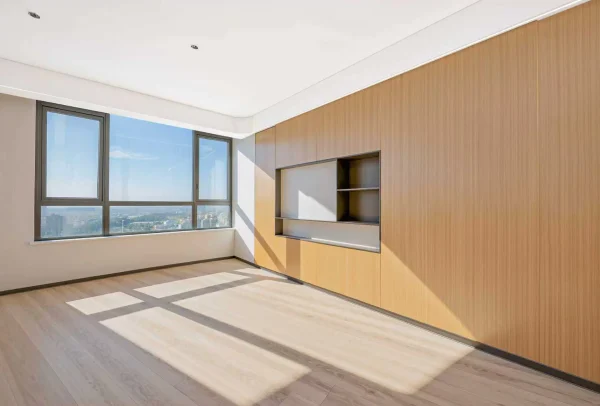
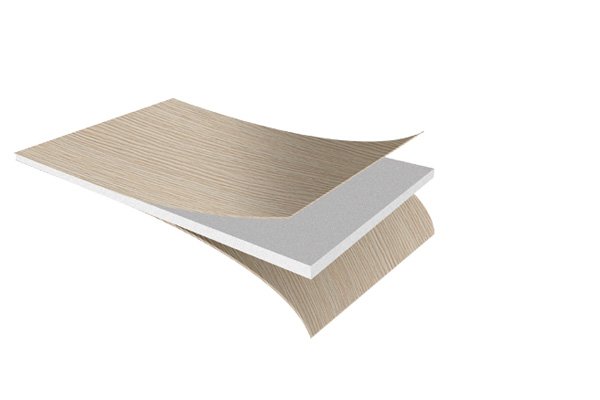
High-Pressure Laminate (HPL) is a high-performance decorative surface material known for its durability, versatility, and attractive designs. From furniture and interior walls to commercial spaces and architectural projects, HPL is widely used because of its excellent resistance to wear, impact, moisture, and heat.
But how is HPL manufactured? Understanding the production process helps explain why HPL delivers such outstanding performance compared with many other surface materials.
What Materials Are Used to Make HPL?
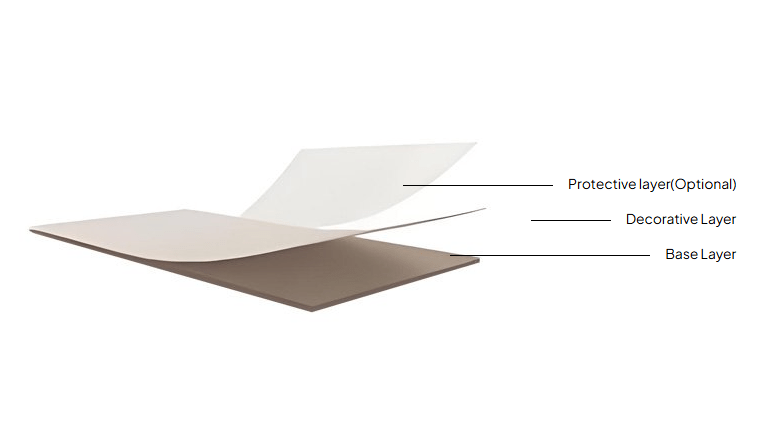
HPL is made from several layers of specially treated papers combined with thermosetting resins. The main components include:
- Kraft Paper: Multiple layers of kraft paper provide the structural strength, thickness, and impact resistance of HPL.
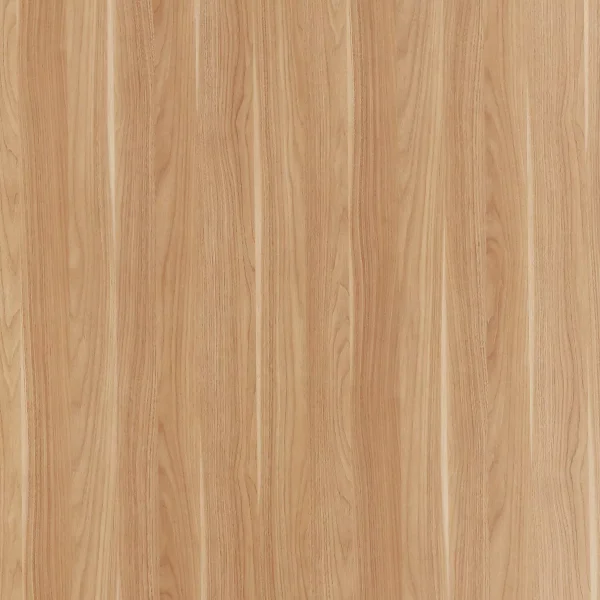
- Decorative Paper: The printed decorative layer creates the final appearance, including wood grain, stone patterns, solid colors, and customized designs.
- Overlay Paper: A transparent protective layer improves scratch resistance, abrasion resistance, and surface durability.
- Resin: Thermosetting resins bond the layers together and provide stability under high temperature and pressure.
Step-by-Step HPL Manufacturing Process
1. Paper Impregnation
The first step in HPL production is impregnating kraft paper and decorative paper with resin.
The papers are passed through resin treatment equipment where they absorb specially formulated phenolic or melamine resins. After impregnation, the papers are dried to achieve the proper resin content and prepare them for pressing.
- Kraft paper is usually treated with phenolic resin for strength.
- Decorative and overlay papers are commonly treated with melamine resin for a durable surface finish.
2. Drying and Preparation
After resin impregnation, the papers are dried and stored under controlled conditions.
During this stage, manufacturers carefully control:
- Resin content
- Moisture level
- Paper quality
- Storage conditions
Proper preparation ensures consistent performance and appearance in the final HPL sheets.
3. Layer Assembly
The impregnated papers are stacked together in a specific order:
- Protective overlay paper (optional)
- Decorative paper
- Multiple layers of kraft paper
The number of kraft paper layers determines the thickness and mechanical properties of the HPL sheet.
4. High-Pressure Pressing
This is the most important stage in HPL production.
The assembled paper layers are placed into a multi-opening press and compressed under high temperature and pressure. The heat activates the resin, allowing the layers to chemically bond together into a solid, dense panel.
This process creates the unique characteristics of HPL, including:
- High strength
- Dimensional stability
- Impact resistance
- Heat resistance
- Long service life
5. Cooling and Finishing
After pressing, the HPL sheets are cooled and removed from the press.
The sheets then undergo finishing processes, including:
- Surface texture creation
- Edge trimming
- Quality inspection
- Cutting into standard sizes
Different textures, such as matte, wood grain, stone, and embossed finishes, can be produced to meet different design requirements.
Quality Control During HPL Production
Professional HPL manufacturers conduct strict quality inspections throughout the manufacturing process, including:
- Raw material inspection
- Resin content testing
- Thickness measurement
- Surface appearance inspection
- Physical performance testing
Key performance tests may include:
- Scratch resistance
- Impact resistance
- Wear resistance
- Heat resistance
- Water absorption
- Dimensional stability
These controls ensure that every HPL sheet meets required standards for commercial and architectural applications.
Why Does the HPL Manufacturing Process Matter?
The combination of high-quality raw materials, advanced resin technology, and high-pressure pressing gives HPL its superior performance.
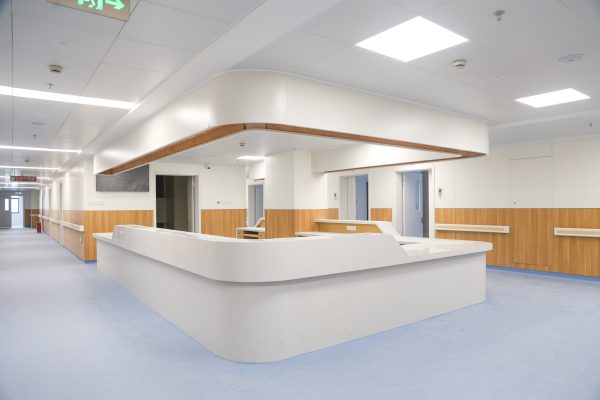
Unlike simple decorative coatings or low-pressure laminates, HPL has a much denser structure and stronger resistance to daily wear. This makes it a reliable choice for demanding environments such as hotels, offices, hospitals, schools, retail stores, and public buildings.
REXIN HPL: Reliable High-Pressure Laminate Solutions
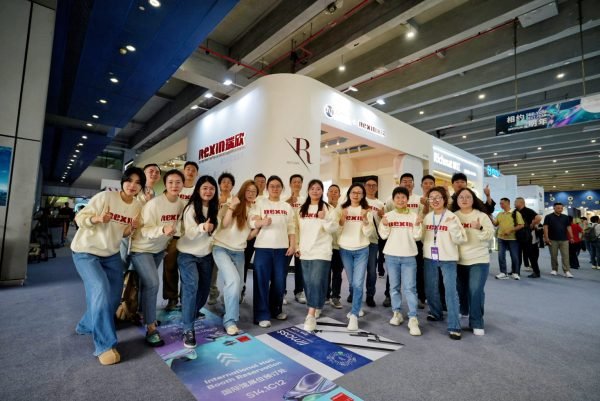
REXIN specializes in manufacturing high-quality HPL products for global customers. With advanced production technology, strict quality control, and extensive experience in decorative surface materials, REXIN provides durable and design-oriented laminate solutions for furniture, interiors, and architectural applications.
For more information about REXIN HPL products, please contact:
Email: Export@rexinhpl.com