When selecting HPL materials, many buyers face an important question:
What is the difference between Decorative HPL and Compact HPL?
Although both materials are manufactured using high-pressure technology and share similar decorative possibilities, they are designed for different applications. The main differences are related to structure, thickness, strength, installation method, and usage scenarios.
Understanding these differences helps architects, designers, contractors, and purchasing teams select the most suitable solution for their projects.
Quick Comparison: Decorative HPL vs Compact HPL
| Feature | Decorative HPL | Compact HPL |
|---|---|---|
| Full Name | Decorative High Pressure Laminate | Compact High Pressure Laminate |
| Structure | Thin decorative surface layer | Solid multi-layer panel |
| Typical Thickness | 0.6 mm – 1.0 mm | 2 mm – 25 mm |
| Self-Supporting | No | Yes |
| Requires Substrate | Yes | No |
| Main Function | Surface decoration and protection | Structural panel solution |
| Weight | Lightweight | Heavier and stronger |
| Common Applications | Furniture, cabinets, wall cladding | Partitions, lockers, laboratory furniture |
| Installation | Bonded to MDF, plywood, or particleboard | Direct installation or mechanical fixing |
| Best For | Decorative surfaces | High-impact and high-moisture environments |
Choosing the correct thickness starts with selecting the right type of HPL. If you’re unsure whether decorative HPL or compact HPL is the better option, our detailed comparison explains the key differences, typical applications, and selection tips.
What Is Decorative HPL?
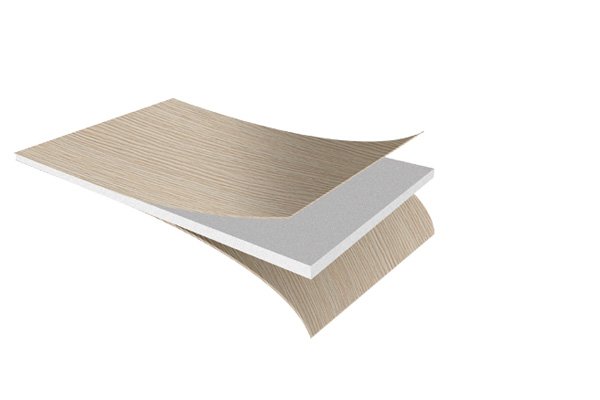
Decorative HPL is a thin laminate sheet designed primarily as a surface finishing material.
It is manufactured by pressing multiple layers of kraft paper, decorative paper, and protective overlay under high temperature and pressure. The final laminate sheet provides an attractive, durable surface that is bonded onto a supporting substrate.
Common substrates include:
- MDF
- Particleboard
- Plywood
- Other engineered wood panels
The substrate provides structural strength, while the HPL layer provides:
- Decorative appearance
- Scratch resistance
- Wear resistance
- Easy cleaning
- Long-lasting color performance

Decorative HPL Thickness
The most common decorative HPL thickness range is:
- 0.6 mm
- 0.8 mm
- 1.0 mm
Among these, 1.0 mm HPL is widely used for commercial applications because it offers an excellent balance between durability and processing convenience.
Decorative HPL Applications
Because decorative HPL requires a supporting substrate, it is commonly used in interior applications where appearance and surface performance are important.
Furniture
Decorative HPL is widely used for:
- Hotel furniture
- Office desks
- Cabinets
- Wardrobes
- Storage units
- Retail displays
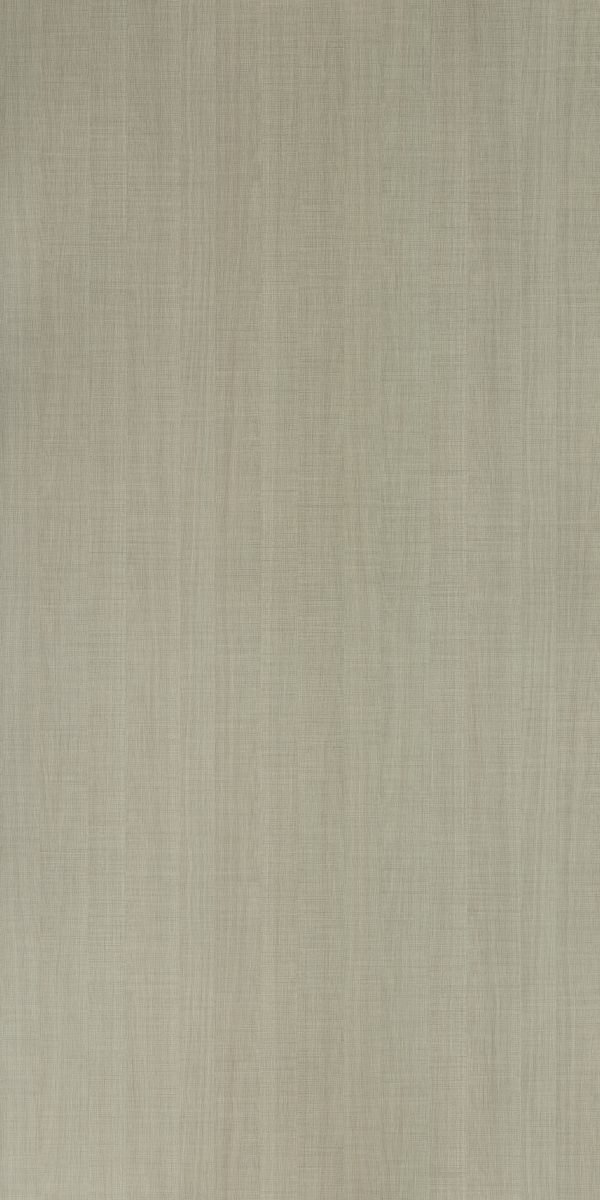
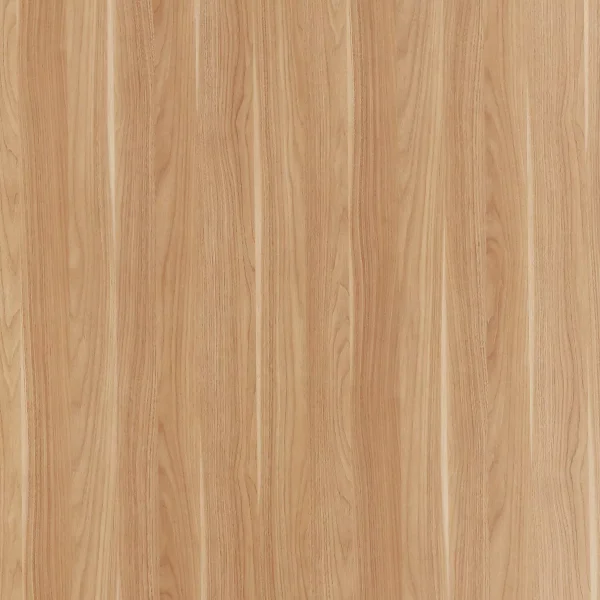
It provides furniture manufacturers with a wide variety of design options, including wood grains, solid colors, stone patterns, and specialty finishes.
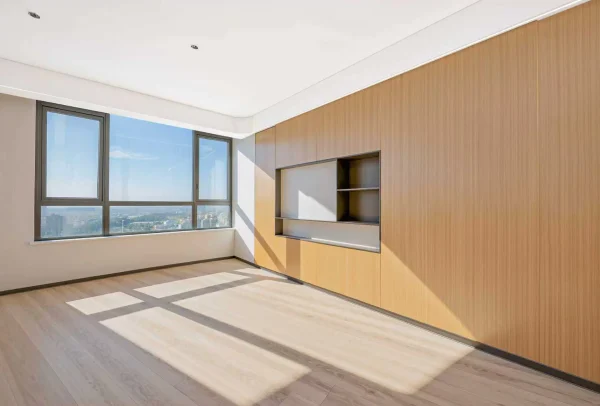
Wall Cladding
Decorative HPL can be applied to interior walls when bonded to suitable backing materials.
Typical applications include:
- Hotel corridors
- Office interiors
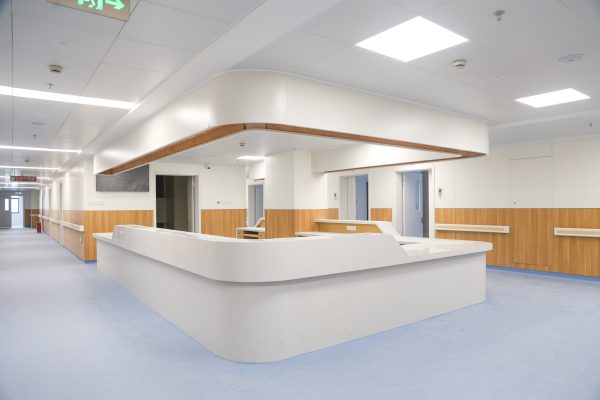
- Hospital walls
- Retail spaces
- Educational facilities
It provides a durable decorative finish while maintaining design flexibility.
Countertops and Work Surfaces
1.0 mm decorative HPL is commonly selected for:
- Kitchen countertops
- Office workstations
- Reception desks
- Laboratory surfaces
It provides excellent resistance against daily wear while offering a wide range of aesthetic choices.
What Is Compact HPL?
Compact HPL is a thicker and denser version of high-pressure laminate designed to function as a self-supporting panel.
Unlike decorative HPL, compact HPL contains multiple layers of kraft paper compressed under high pressure, creating a solid homogeneous structure throughout the panel.
Because of its thickness and density, compact HPL does not require a substrate.
This makes it suitable for applications where panels need to provide their own structural strength.



Compact HPL Thickness
Compact HPL is typically available in thicker formats, including:
- 2 mm
- 4 mm
- 6 mm
- 8 mm
- 10 mm
- 12 mm
- 18 mm
For commercial projects, the most commonly specified thicknesses are:
- 6 mm
- 8 mm
- 10 mm
- 12 mm
Compact HPL Applications
Compact HPL is preferred for demanding environments where strength, moisture resistance, and durability are critical.
Toilet Partitions and Cubicles
Compact HPL is one of the most popular materials for:
- Toilet partitions
- Shower cubicles
- Changing room systems
Recommended thickness:
10 mm – 12 mm
Benefits:
- Excellent moisture resistance
- High impact resistance
- Easy maintenance
- Long service life
Lockers and Storage Systems
Compact HPL is commonly used for:
- School lockers
- Gym lockers
- Healthcare storage systems
- Public facility furniture
Recommended thickness:
8 mm – 12 mm
Laboratory Furniture
Laboratories require materials that can withstand:
- Frequent cleaning
- Heavy loads
- Moisture exposure
- Chemical contact
Compact HPL is suitable for:
- Laboratory countertops
- Workstations
- Storage cabinets
Recommended thickness:
10 mm – 12 mm
Commercial Wall Systems
Compact HPL can also be used for self-supporting wall applications.
Recommended thickness:
6 mm – 8 mm
Applications include:
- Public buildings
- Healthcare facilities
- Educational spaces
- Commercial interiors
Decorative HPL vs Compact HPL: Cost Considerations
Generally, decorative HPL is more economical because it is thinner and requires a substrate that is usually already part of the furniture or wall system.
Compact HPL has a higher material cost because:
- It contains more raw materials
- It has a thicker structure
- It provides self-supporting strength
However, compact HPL can reduce additional construction requirements because no substrate is needed.
The best choice is not always the cheapest material, but the one that provides the best value throughout the project lifecycle.
Can Decorative HPL and Compact HPL Have the Same Designs?
Yes.
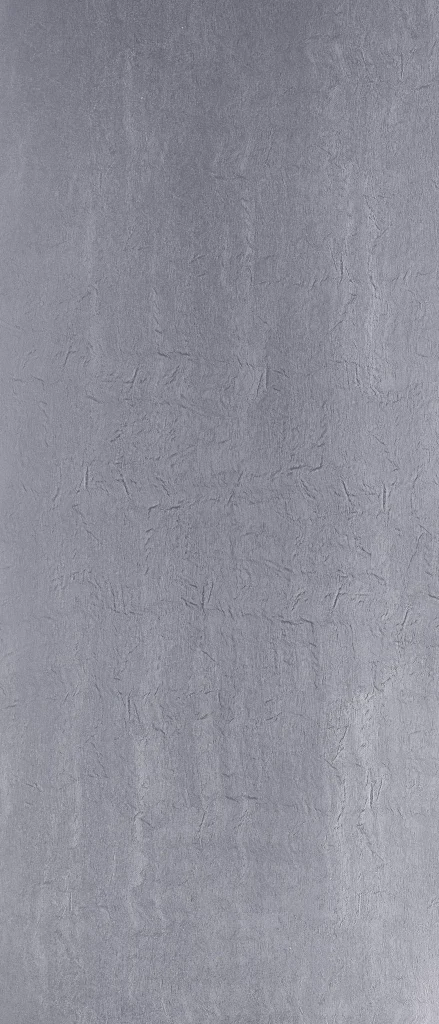
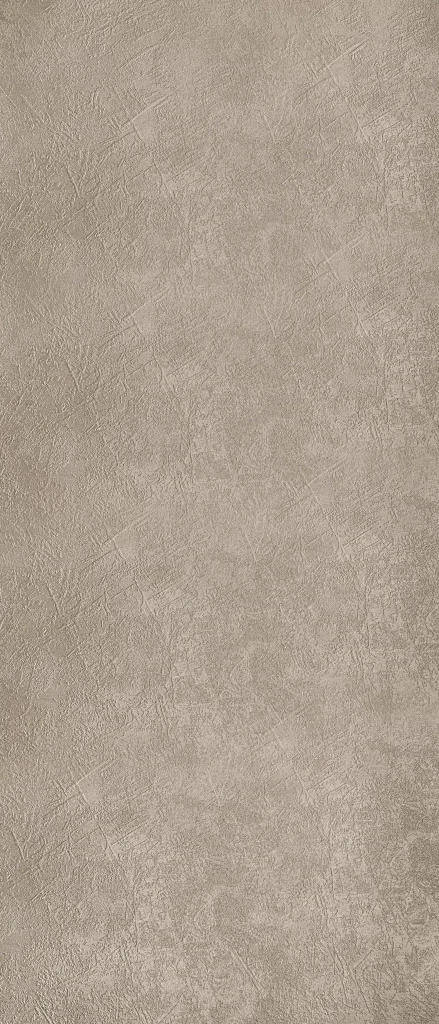
Both decorative HPL and compact HPL can offer a wide range of surface designs, including:
- Wood textures
- Stone patterns
- Solid colors
- Metallic finishes
- Custom designs
The difference is not mainly appearance, but rather the panel structure and performance.
Decorative HPL vs Compact HPL: Which One Should You Choose?
The right choice depends on your project requirements.
Choose Decorative HPL When:
You need:
✔ A decorative surface finish
✔ Lightweight material
✔ Cost-effective solution
✔ Application on MDF, plywood, or particleboard
Recommended applications:
- Furniture
- Cabinets
- Doors
- Wall panels
- Countertops
REXIN Recommendation:
Classic HPL Collection – 1.0 mm
Choose Compact HPL When:
You need:
✔ A self-supporting panel
✔ Higher impact resistance
✔ Moisture resistance
✔ Long-term durability in demanding environments
Recommended applications:
- Toilet partitions
- Lockers
- Laboratory furniture
- Healthcare facilities
- Commercial partitions
REXIN Recommendation:
Compact Collection – 6 mm, 8 mm, 10 mm, 12 mm
Frequently Asked Questions
Is Compact HPL better than Decorative HPL?
Neither material is universally better. Decorative HPL is ideal for surface finishing applications, while Compact HPL is better for self-supporting and high-performance applications.
Can Decorative HPL be used without a substrate?
No. Decorative HPL is designed to be bonded to a supporting material such as MDF, plywood, or particleboard.
Is Compact HPL waterproof?
Compact HPL has excellent moisture resistance and is widely used in humid environments such as bathrooms, changing rooms, and healthcare facilities.
What thickness of HPL is best for furniture?
For furniture applications, 0.8 mm to 1.0 mm decorative HPL is commonly used. REXIN recommends its 1.0 mm Classic HPL Collection for commercial furniture applications.
What thickness of Compact HPL is recommended for toilet partitions?
10 mm and 12 mm Compact HPL are commonly used for toilet partitions because they provide excellent strength and durability.
Conclusion
Both Decorative HPL and Compact HPL offer excellent performance, but they serve different purposes.
Decorative HPL is the ideal choice when you need a durable and attractive surface finish for furniture, countertops, cabinets, and interior decoration.
Compact HPL is the preferred solution when you need a strong, self-supporting panel for demanding applications such as toilet partitions, lockers, laboratory furniture, and commercial interiors.
REXIN provides both decorative and compact HPL solutions to meet different project requirements:
- Classic HPL Collection (1.0 mm) for furniture, countertops, and decorative applications
- Compact Collection (6 mm, 8 mm, 10 mm, 12 mm) for structural and high-performance applications
For professional advice on selecting the right HPL solution for your project, contact REXIN:
Email: Export@rexinhpl.com